How to Choose a Wedding Venue in Italy for Photography
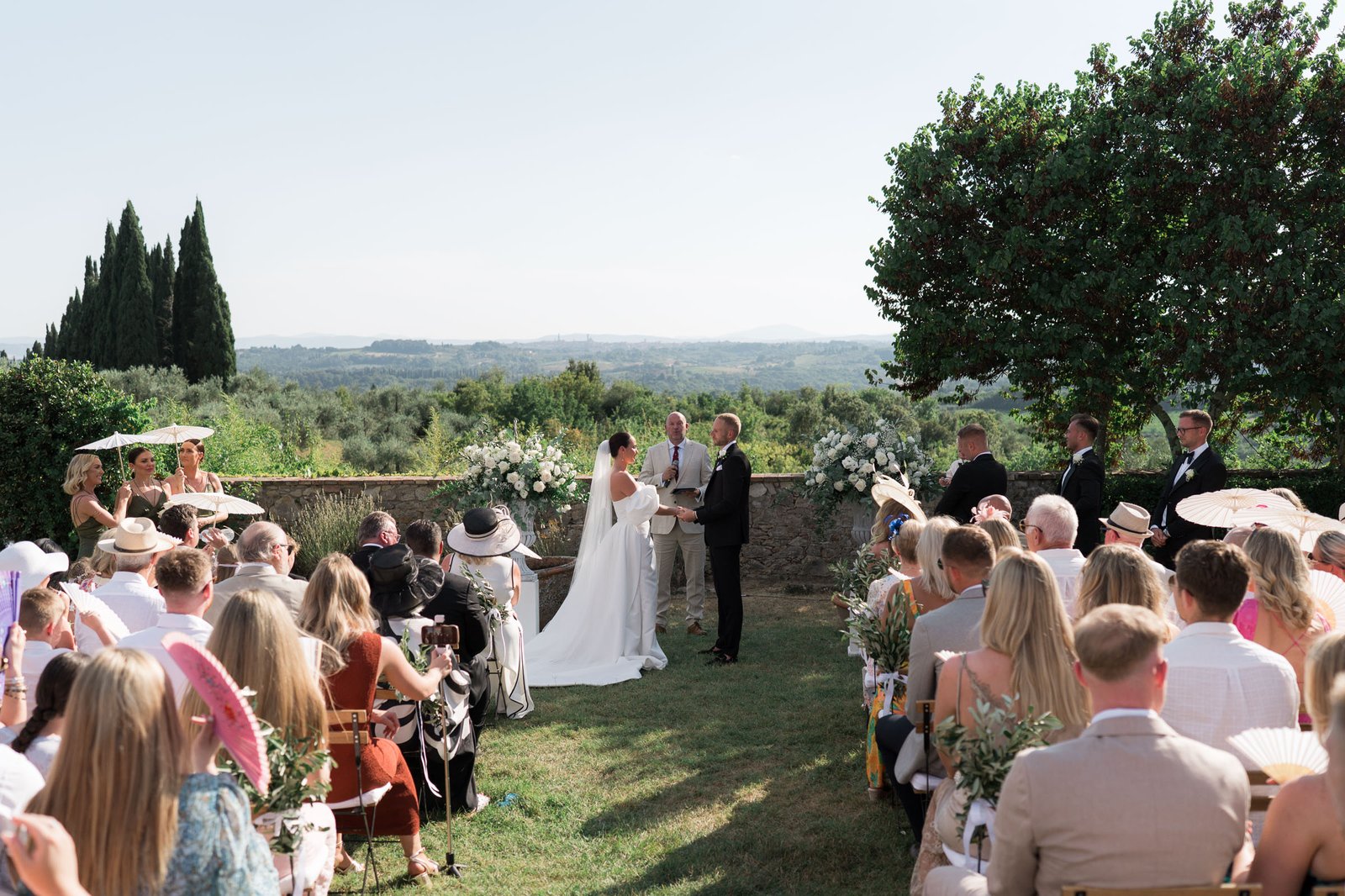
Choosing a wedding venue in Italy is often one of the first and most emotional decisions couples make. Photographs of villas, castles, monasteries, and countryside estates circulate endlessly online, each one more beautiful than the last. But when it comes to photography, the right venue is not only about how it looks in a single image. It is about how the space behaves across an entire day.
From a photographer’s perspective, a venue shapes everything. It influences how light moves, how people gather, how moments unfold, and how the story of the wedding is told visually. This guide is written for couples who want to understand how to choose a wedding venue in Italy for photography, looking beyond surface beauty and into the elements that truly matter once the day begins.
Beauty Is Only the Starting Point
Italy offers no shortage of stunning venues. The challenge is not finding something beautiful, but finding something that works. Many venues photograph well in one specific corner or at one particular time of day, but wedding photography is about continuity. It follows the rhythm of real moments, from morning preparations to late-night celebrations.
A venue that is visually impressive but restrictive in movement or poorly lit indoors can quickly become limiting. On the other hand, a venue that feels simple at first glance may offer depth, flexibility, and atmosphere once experienced in person.
When couples think about choosing a wedding venue in Italy for photography, the most important question is not “Does it look good?” but “Does it allow the day to unfold naturally?”
Light: The Most Important Element You Can’t Decorate
Light cannot be added later. It cannot be styled or rented. It is either present, or it isn’t.
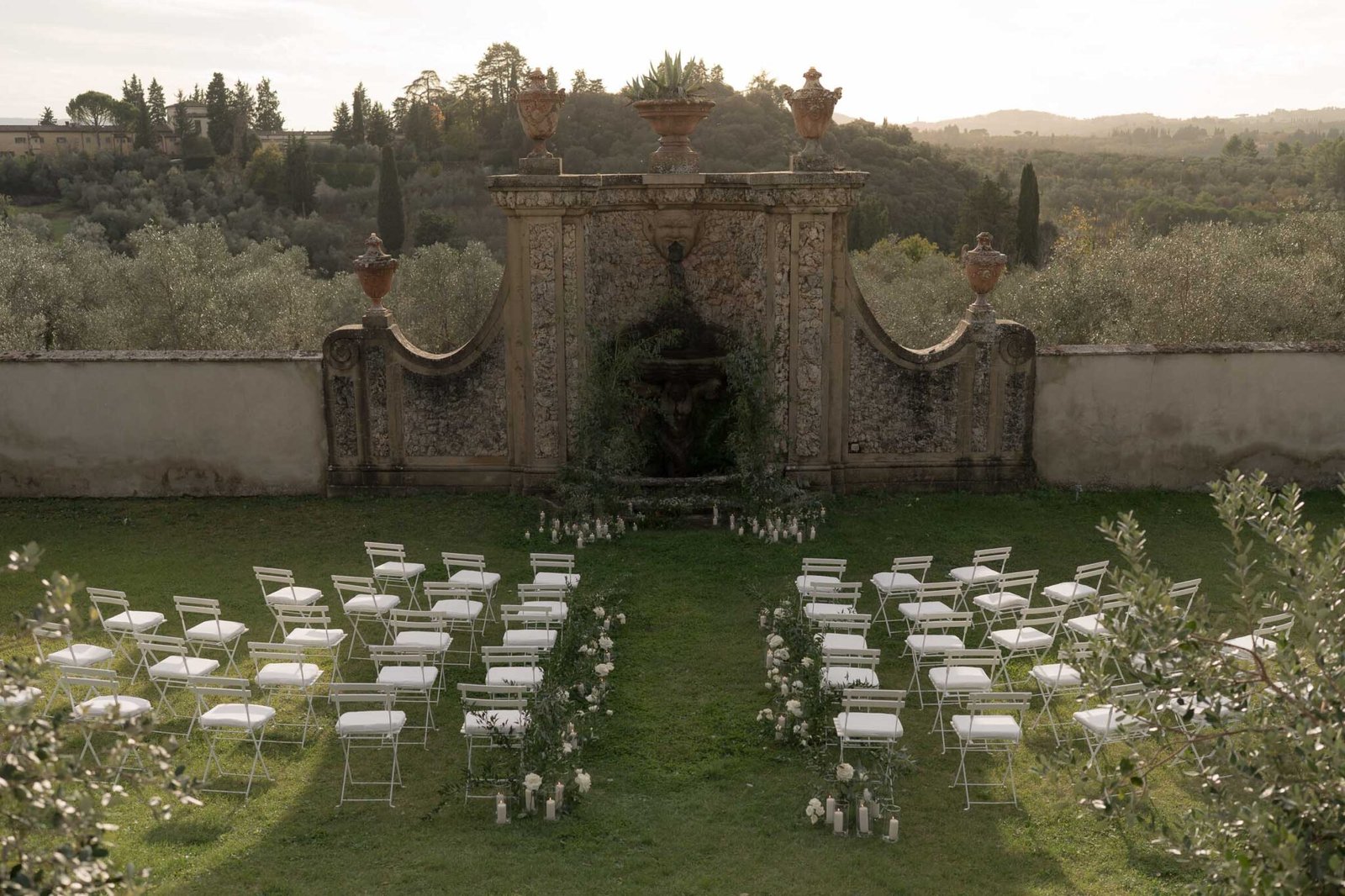
Italian venues vary enormously in how they interact with natural light. Historic villas often have thick stone walls and smaller windows, which can create beautiful atmosphere but also darker interiors. Courtyards, terraces, and gardens may be flooded with light, but only at certain times of day.
A venue that offers a mix of indoor and outdoor spaces with good exposure allows photography to adapt naturally as the day progresses. Getting ready rooms with large windows, shaded outdoor areas for midday moments, and open spaces for late afternoon portraits all contribute to a balanced photographic story.
A well-planned wedding schedule considers these shifts carefully. Sunset times vary significantly by season and location, so it can be helpful to consult a reliable sunset calculator when planning ceremony and portrait timing.
This is where experience matters. A photographer familiar with Italian venues understands how light behaves in different regions and seasons, and can help you anticipate how your venue will photograph across the day.
You can read here an article and understanding how light works on a wedding day in Italy.
Space and Flow Matter More Than Size
Many couples assume that larger venues automatically offer more photographic possibilities. In reality, flow matters far more than scale.
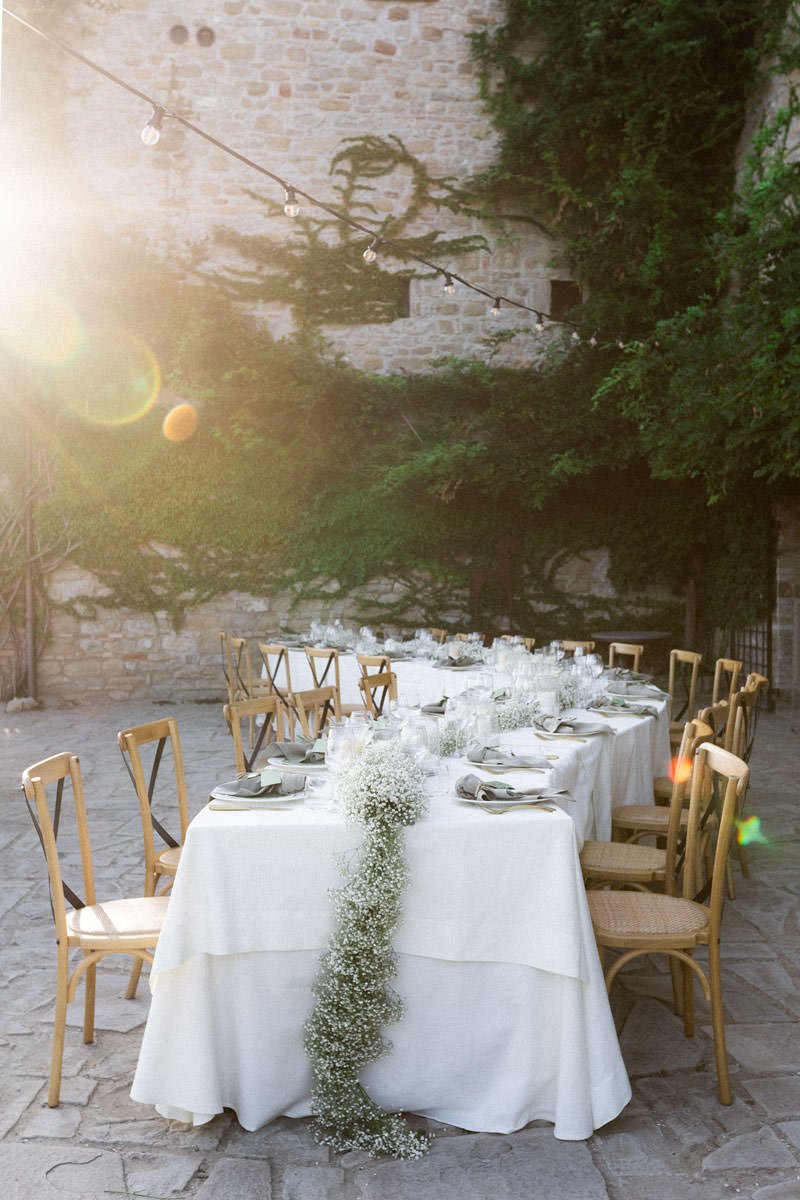
Venues where the ceremony, aperitivo, dinner, and party happen in completely separate locations can feel fragmented, both experientially and visually. Constant movement, long walks, or transfers by car can interrupt moments and break the narrative rhythm of the day.
Venues that allow the celebration to move gradually from one space to another tend to photograph more cohesively. When guests are not rushed, conversations linger. When the couple is not constantly transitioning, moments feel more grounded. Photography thrives in this kind of continuity.
This is often visible in real weddings. You might naturally link here to one of your existing galleries with a sentence like:
You can see how a well-designed venue flow shapes the day in this destination wedding at Casa Olivi, Le Marche region.
Indoor Spaces Are Just as Important as Outdoor Ones
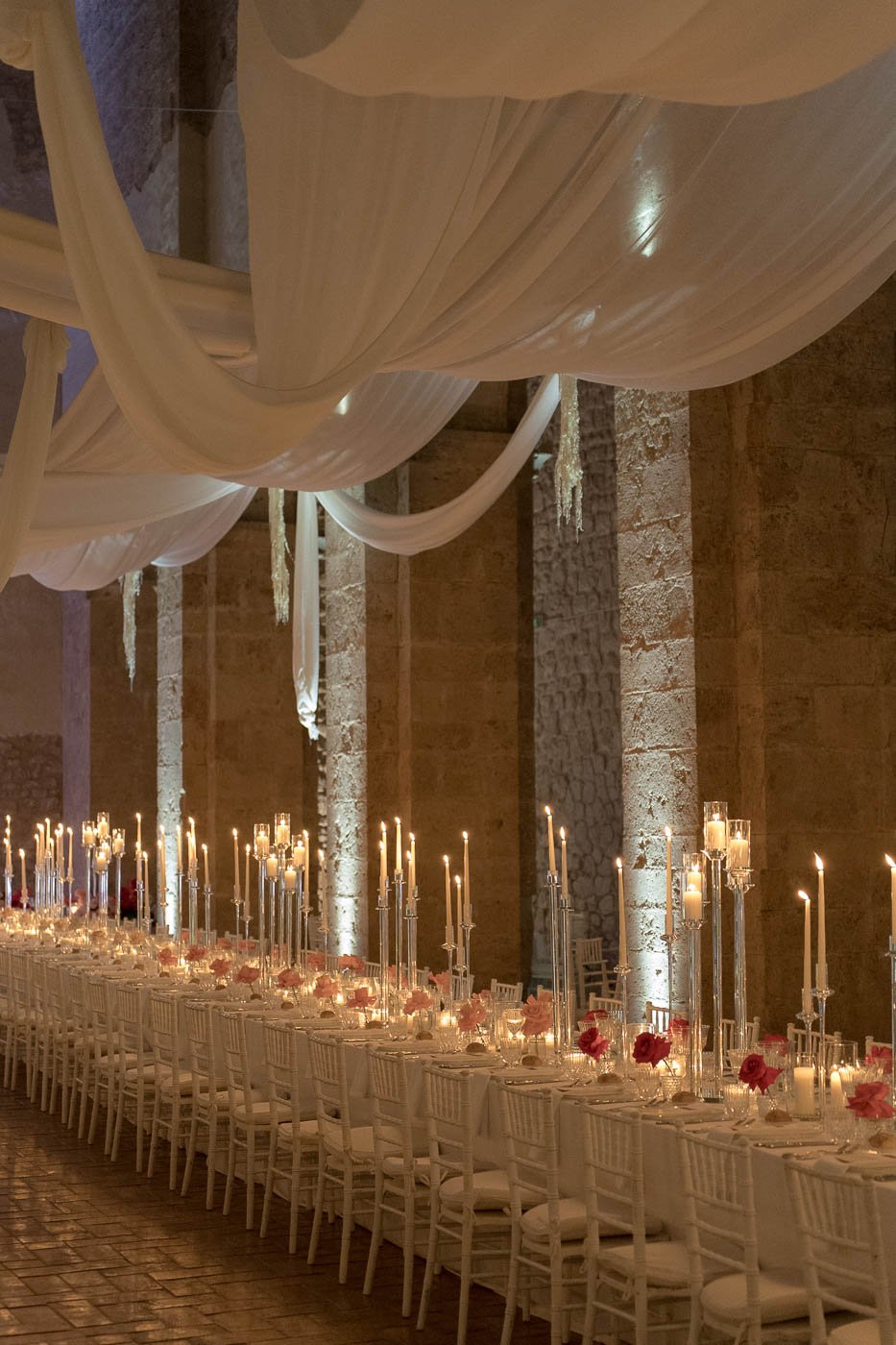
Italy is known for outdoor weddings, but indoor spaces should never be an afterthought. Weather changes, plans shift, and even the most carefully planned outdoor celebration may include significant indoor moments.
Photographically, indoor spaces are often where the most emotional moments happen. Getting ready, quiet conversations, candlelit dinners, and late-night celebrations all rely heavily on interior environments.
Venues with thoughtfully designed interiors, natural light sources, or warm ambient lighting photograph far more beautifully than dark, cluttered spaces. Even when artificial light is used, the character of the room plays a crucial role in how images feel.
A venue that works well both indoors and outdoors offers security and creative freedom, allowing photography to remain consistent regardless of circumstances.

The Surroundings Are Part of the Story
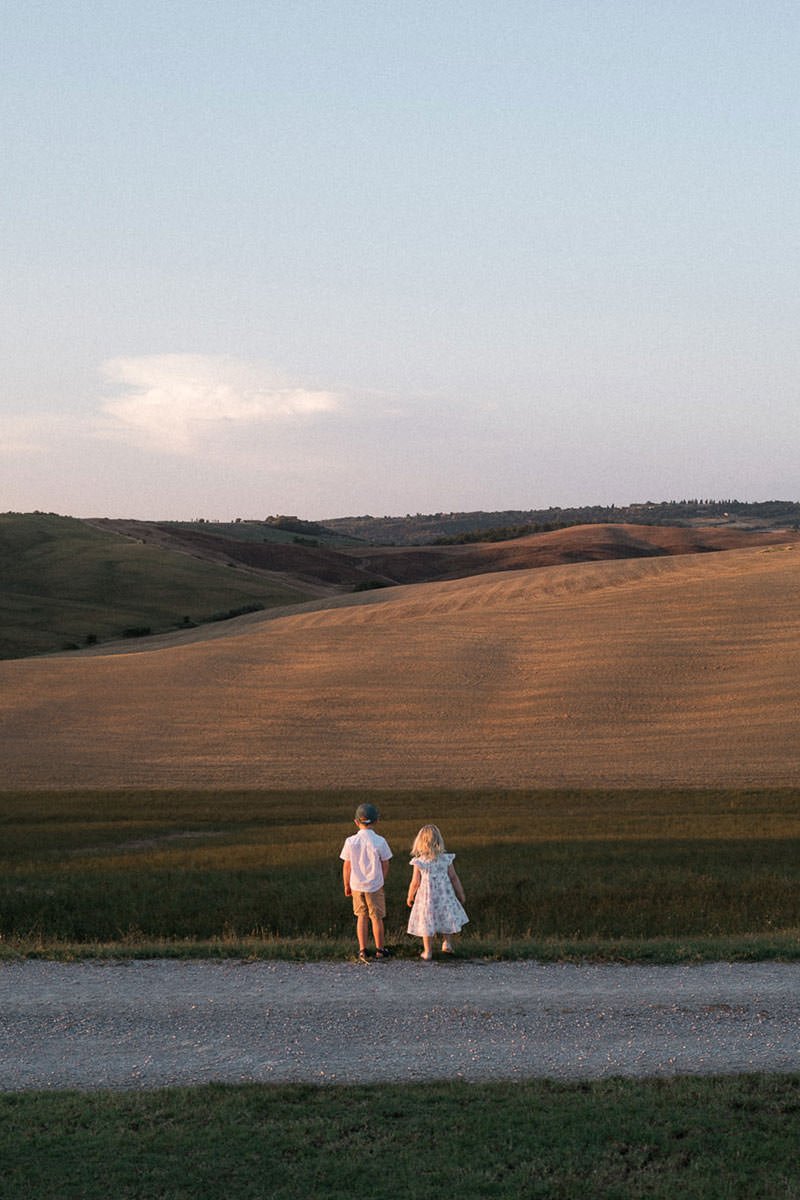
One of the advantages of getting married in Italy is that venues rarely exist in isolation. The landscape surrounding a venue often becomes part of the photographic narrative.
Whether it’s vineyards in Tuscany, lake views in the north, or historic streets in a city, the area around the venue provides context and depth. Short walks, quiet corners, or open views create opportunities for portraits that feel natural rather than staged.
Couples who allow time to step slightly beyond the main venue space often end up with images that feel more personal and less formal. This is especially true when the surroundings reflect the character of the place rather than a generic backdrop.
If Tuscany is one of the reagion you are considering for your wedding, maybe you can findd useful this article about Getting Married in Tuscany: A Photography Guide.
How the Venue Influences the Timeline
Venue choice and timeline are deeply connected. Some venues work beautifully with late afternoon ceremonies, while others are better suited to earlier schedules due to light direction or layout.
Venues with west-facing views benefit from evening light, while enclosed courtyards may be shaded earlier in the day. Understanding these details helps prevent rushed portraits or missed opportunities.
When couples choose a venue without considering how the day will flow through it, photography often becomes reactive. When venue and timeline are aligned, photography becomes intuitive.
Have a look at this article about How to Plan a Wedding Day Timeline for Photography in Italy, it can be interesting to better understand how to manage time during the wedding days.
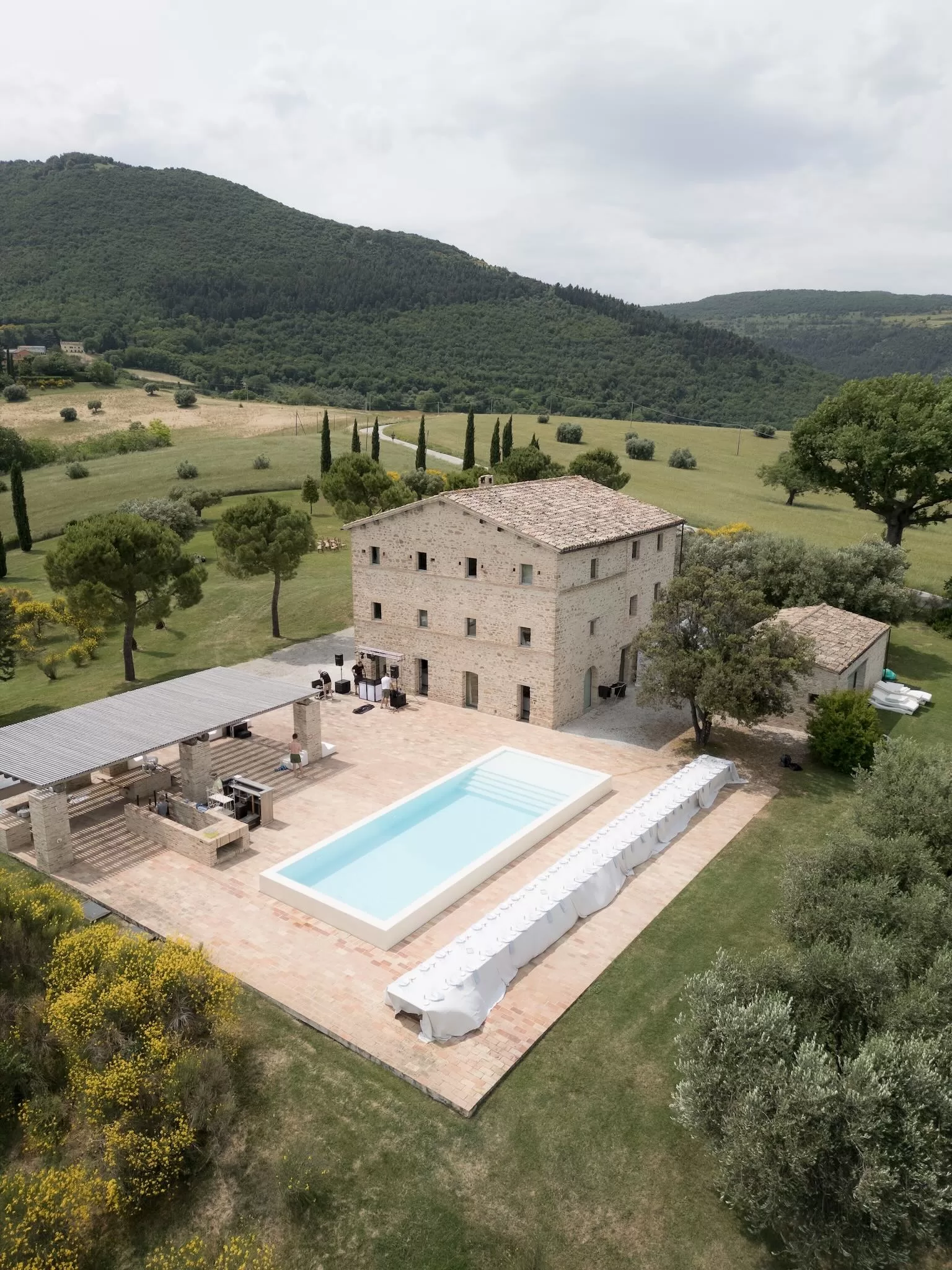
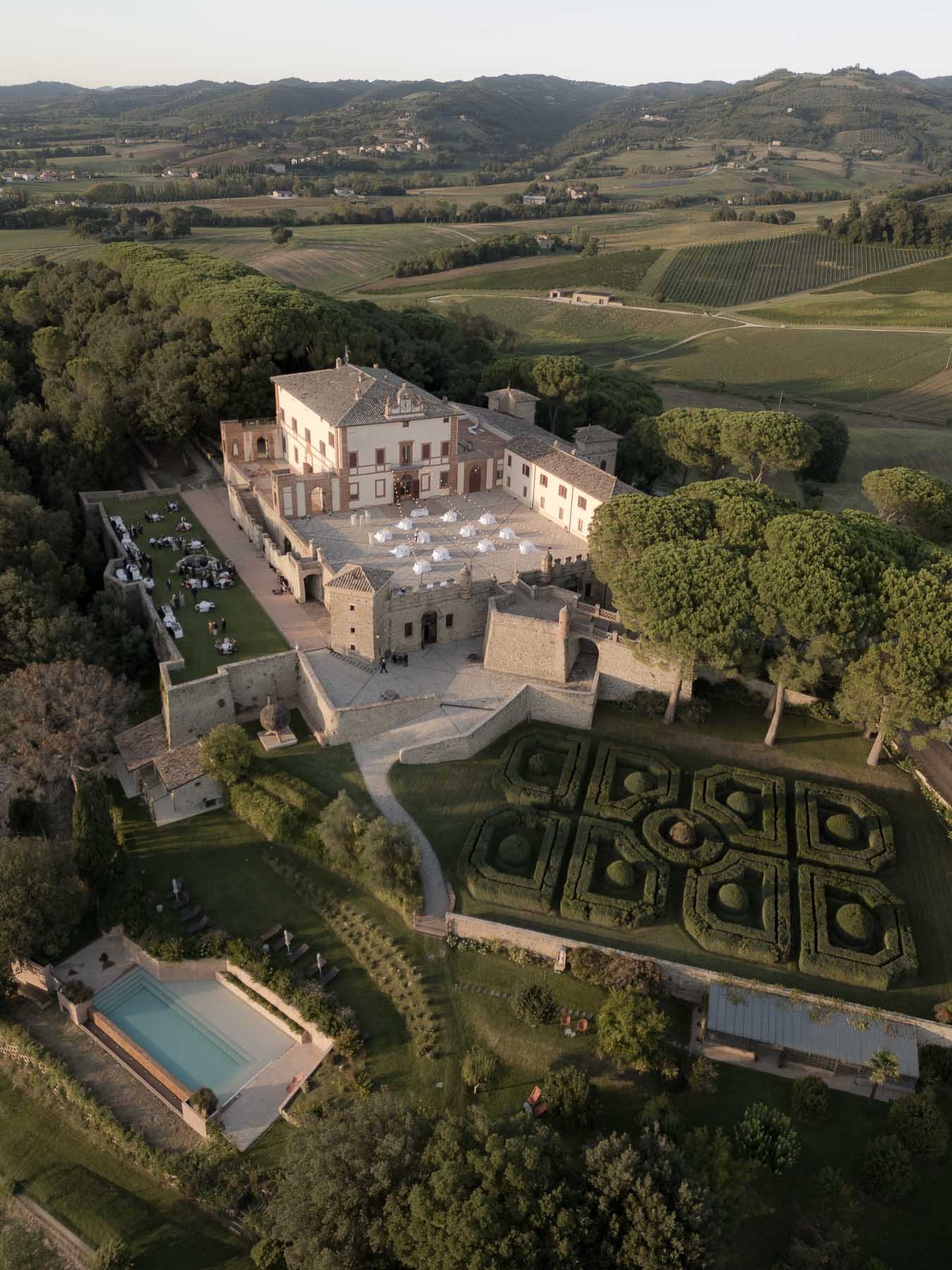
Real Weddings Reveal More Than Styled Images
Styled shoots and promotional images show venues at their best, but real weddings tell a fuller story. They reveal how spaces feel when filled with people, how light behaves across different moments, and how flexible a venue truly is.
Looking at full wedding galleries rather than highlights helps couples understand whether a venue supports the kind of experience they want. It also shows how photography adapts to real conditions, not idealized ones.
Below is a list of some of the recent weddings I have photographed around Italy:
Villa Catignano, Tuscany. Siena Province, one of the most beautiful Villa in south Tuscany;
Alpe di Siusi, Dolomites, Trentino. The Italian mountains on the border that are the envy of the world;
Abbazia di San Pietro in Valle, Umbria. The greenest region in Italy, located right in the center of the nation.
Choosing a Venue That Fits Your Way of Being
Ultimately, the right venue is not the most impressive one. It is the one that feels aligned with how you want to experience your wedding day.
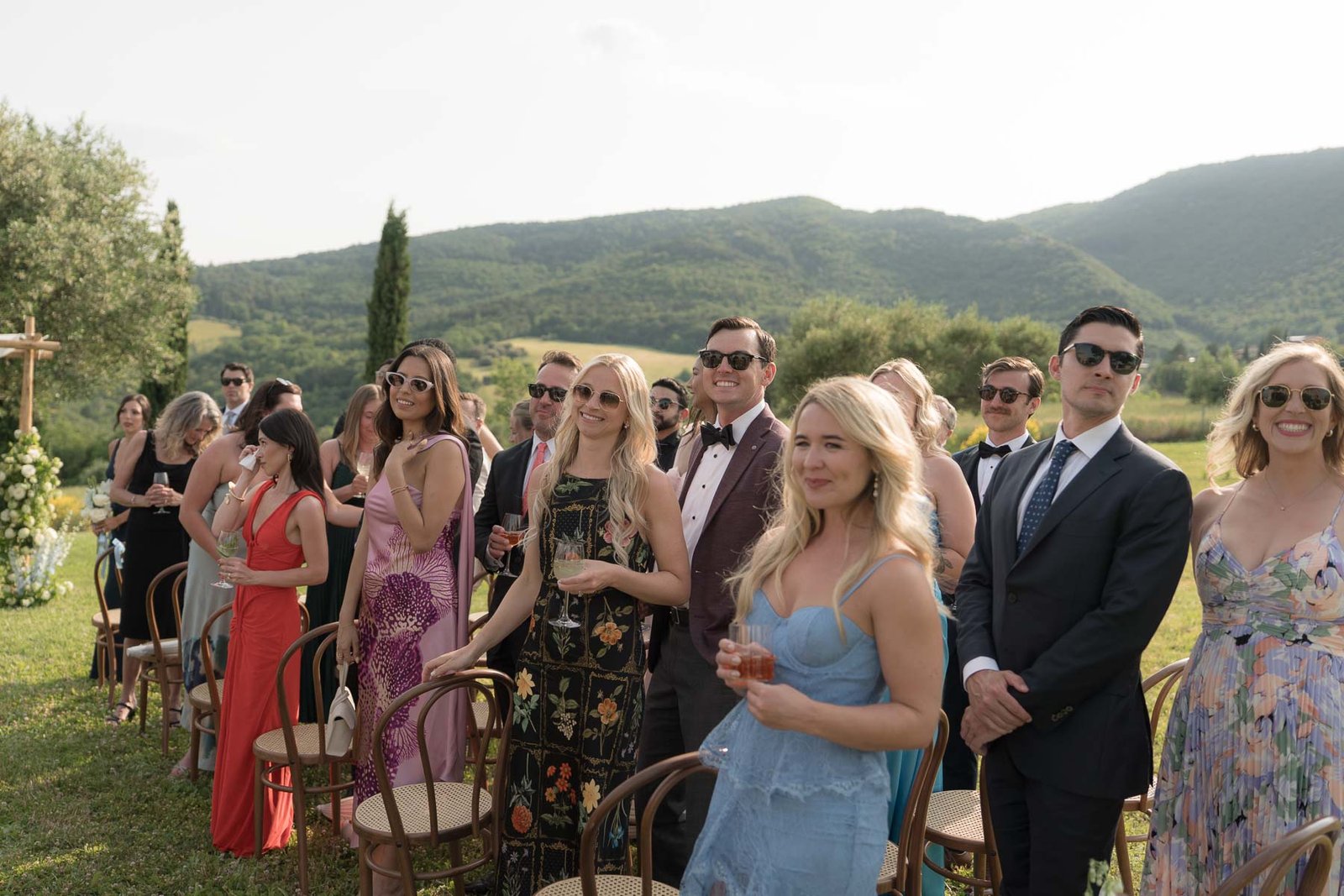
Some couples feel most at ease in refined historic settings. Others prefer informal countryside estates where the day unfolds organically. Photography reflects these choices. When couples feel comfortable in a space, their images carry that ease.
From a photographer’s perspective, the most successful weddings are those where the venue supports presence rather than performance. When the environment feels right, photography becomes less about directing and more about observing.
A Photographer’s Perspective
After photographing weddings across Italy, one pattern becomes clear. The venues that photograph best are not always the most famous or elaborate. They are the ones that allow light, movement, and people to coexist naturally.
Choosing a wedding venue in Italy for photography is about understanding how a place behaves, not just how it appears. When couples take this into account, their wedding day feels more fluid, and their images reflect something deeper than surface beauty.
Closing Thoughts
Choosing a wedding venue in Italy is one of the most meaningful decisions you’ll make. Beyond aesthetics, the right venue shapes the pace of the day, the quality of light, and the emotional tone of your photographs.
When selected with intention, an Italian wedding venue becomes more than a backdrop. It becomes an active part of the story, supporting moments as they unfold and allowing photography to capture the day honestly and beautifully.
If you’re in the process of choosing your wedding venue in Italy and want photography that responds naturally to space, light, and atmosphere, thoughtful planning makes all the difference.
If you are planning a destination wedding in Italy and would like photography that reflects light, atmosphere, and genuine moments,
you are welcome to get in touch to discuss your plans.
