
What Couples Should Know About Wedding Photography Lighting in Italy
Light is one of the most defining elements of wedding photography in Italy. It influences not only the aesthetic of your images, but also the overall atmosphere of your wedding day. From the warm tones of late afternoon in the countryside to the softer, more directional light found in historic cities, Italian light has a character of its own.
For couples planning a destination wedding, understanding how wedding photography lighting in Italy works can make a significant difference. Knowing what to expect allows you to plan more intentionally and ensures your photographs reflect the mood, elegance, and authenticity of your celebration.
Why Wedding Photography Lighting in Italy Feels Different
Italy’s light is shaped by geography, climate, and architecture. The sun sits higher in the sky for much of the year, especially in central and southern regions, creating brighter and more contrast-heavy conditions than many couples may be used to. Stone buildings, terracotta surfaces, and open landscapes interact with this light in ways that add depth and texture to photographs, but also require experience to handle well.
This combination is what gives Italian wedding photography its distinctive look. When approached thoughtfully, the light enhances skin tones, architectural details, and the natural surroundings that make Italy such a sought-after wedding destination.
How Natural Light Changes Throughout an Italian Wedding Day
Natural light in Italy evolves noticeably over the course of the day, and each phase brings its own qualities. Morning light is often soft and directional, making it ideal for getting-ready moments and quiet portraits. As the day progresses, the sun becomes stronger and more direct, particularly in warmer months, which can introduce deeper shadows and higher contrast.
Later in the afternoon, the light begins to soften again, creating a warmer and more flattering environment for couple portraits and ceremonies. This transition is one of the reasons experienced photographers pay close attention to timing when planning a wedding day in Italy. Aligning key moments with the most favorable light helps the day feel unhurried and visually cohesive.
A well-planned wedding schedule considers these shifts carefully. Sunset times vary significantly by season and location, so it can be helpful to consult a reliable sunset calculator when planning ceremony and portrait timing.
Seasonal Differences in Wedding Photography Lighting in Italy
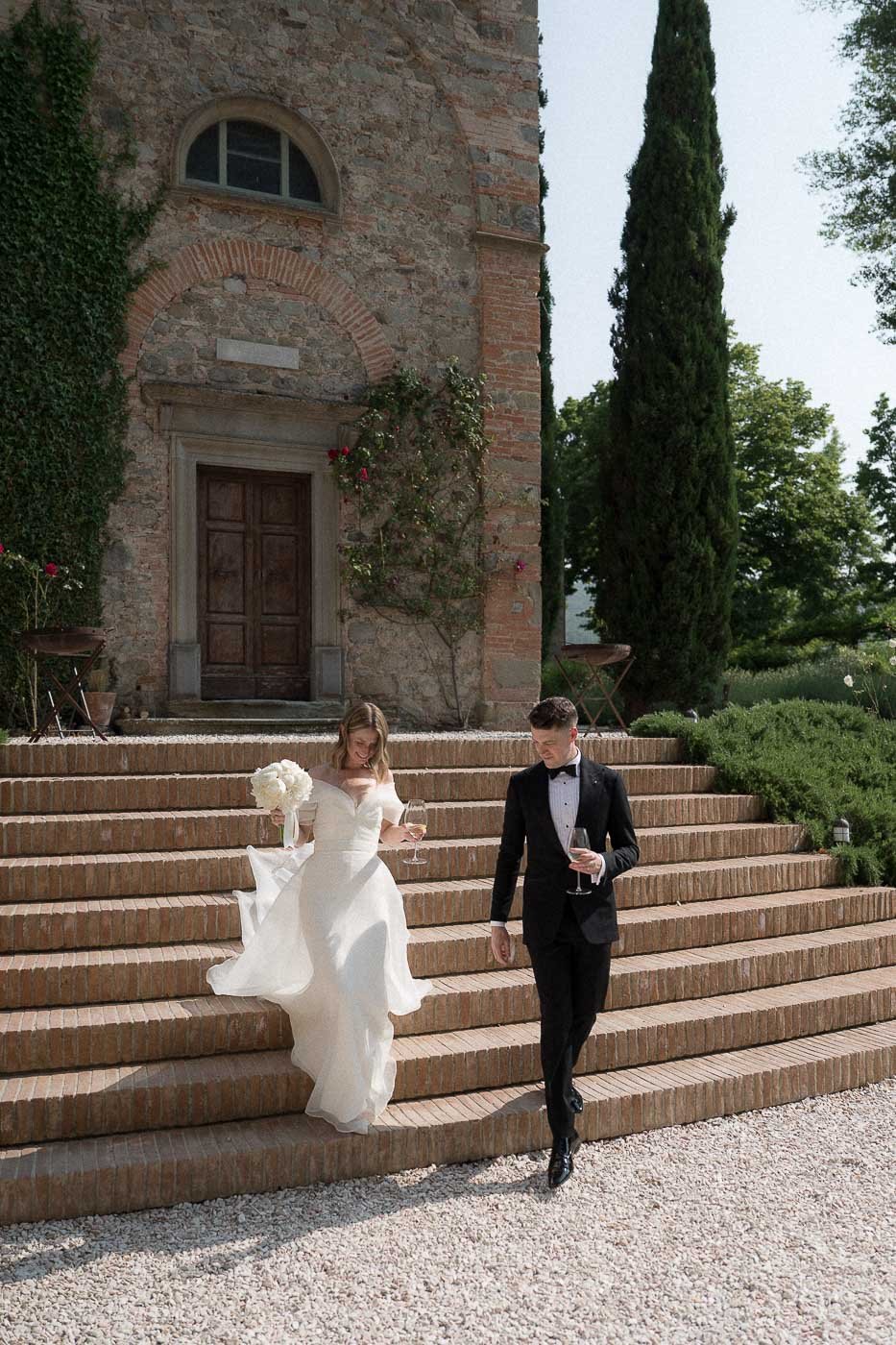
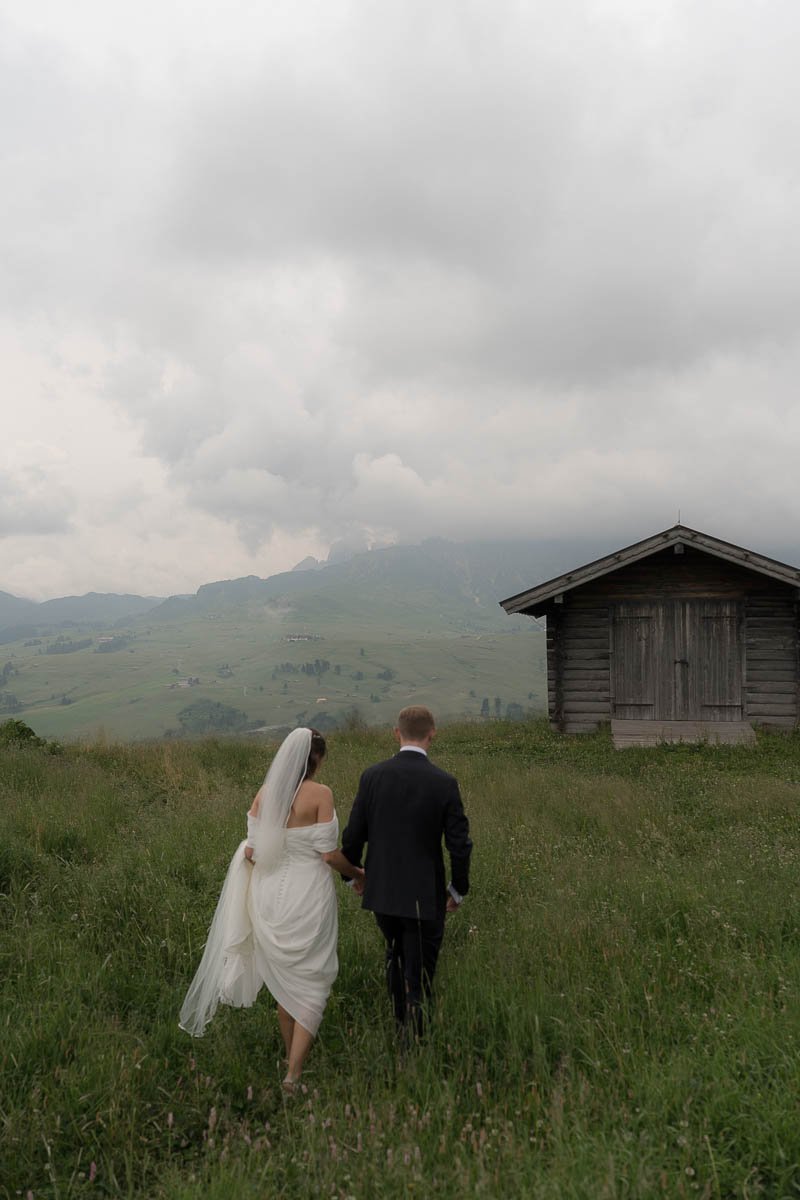
The time of year you choose to get married in Italy has a noticeable impact on lighting. Spring tends to offer a balanced quality of light that feels gentle yet vibrant, while summer brings longer days and extended evenings, paired with stronger midday sun. Autumn introduces warmer tones and lower sun angles, which often result in more intimate and atmospheric images. Winter, though less popular, provides soft, diffused light that works beautifully for smaller celebrations and elopements, especially in cities and historic interiors.
Each season brings its own rhythm, and understanding these differences allows couples to choose a time of year that aligns with both their aesthetic preferences and practical considerations.
Have a look at my article about “Best Time of Year to Get Married in Italy”.
The Role of Italian Architecture in Wedding Lighting
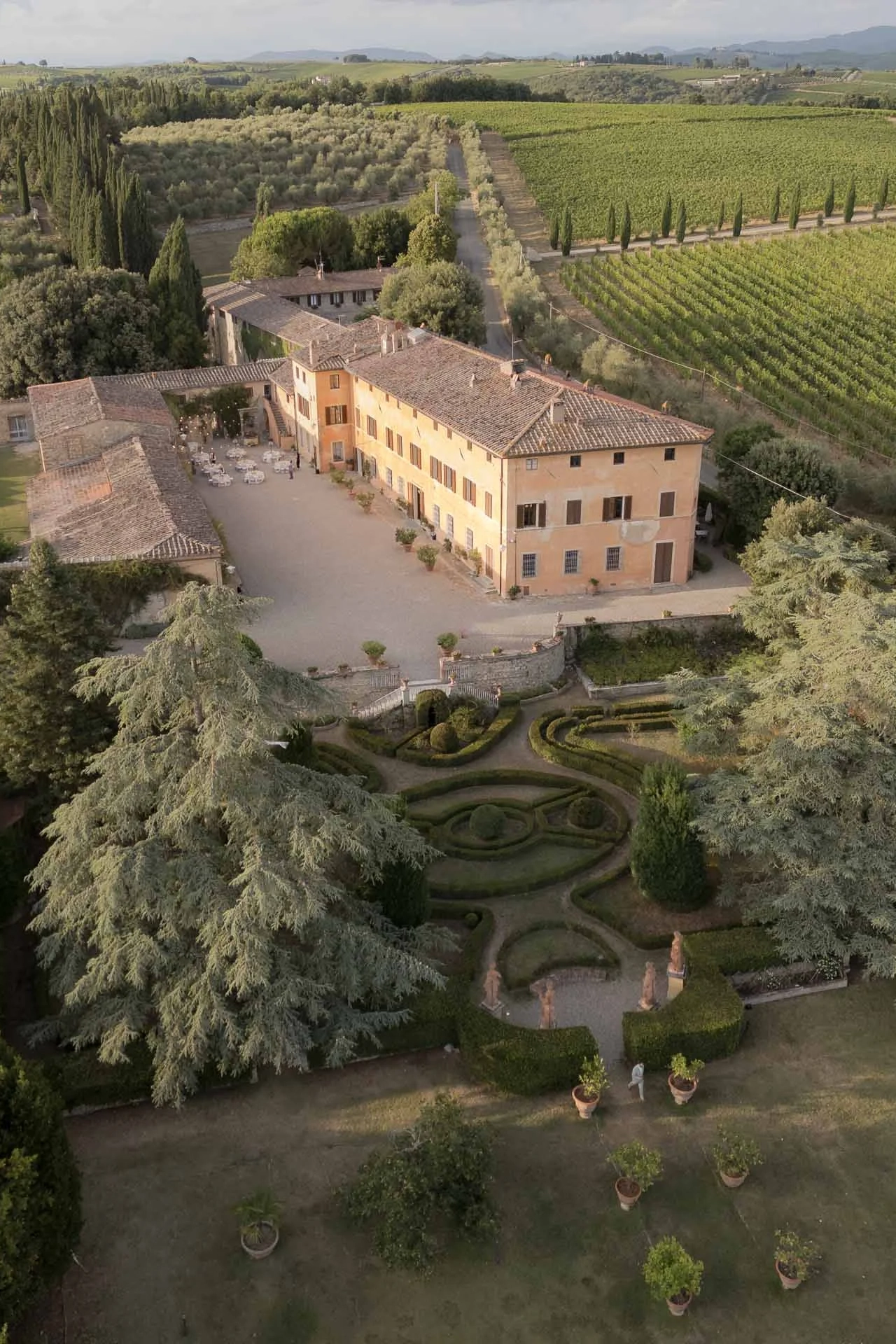
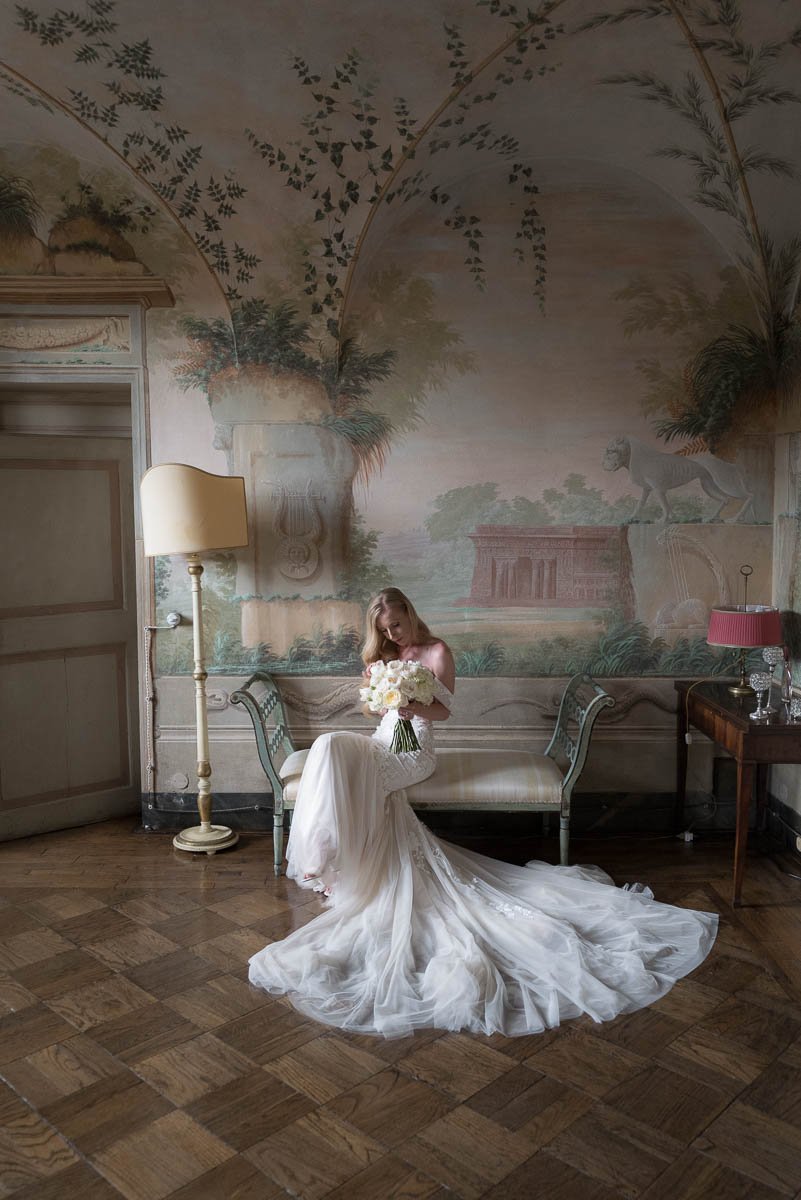
Italian wedding venues are often architectural works of art, from centuries-old villas to historic palazzi and countryside estates. These spaces influence how light moves and behaves throughout the day. Thick stone walls, arched windows, and shaded courtyards can create dramatic contrasts between light and shadow.
A photographer familiar with Italian venues knows how to navigate these environments, using natural reflections, shaded areas, and carefully chosen angles to create balanced and refined images. This understanding is particularly important when photographing indoor moments or ceremonies held in historic locations.ring your wedding day.
Golden Hour and Its Importance for Wedding Photography in Italy
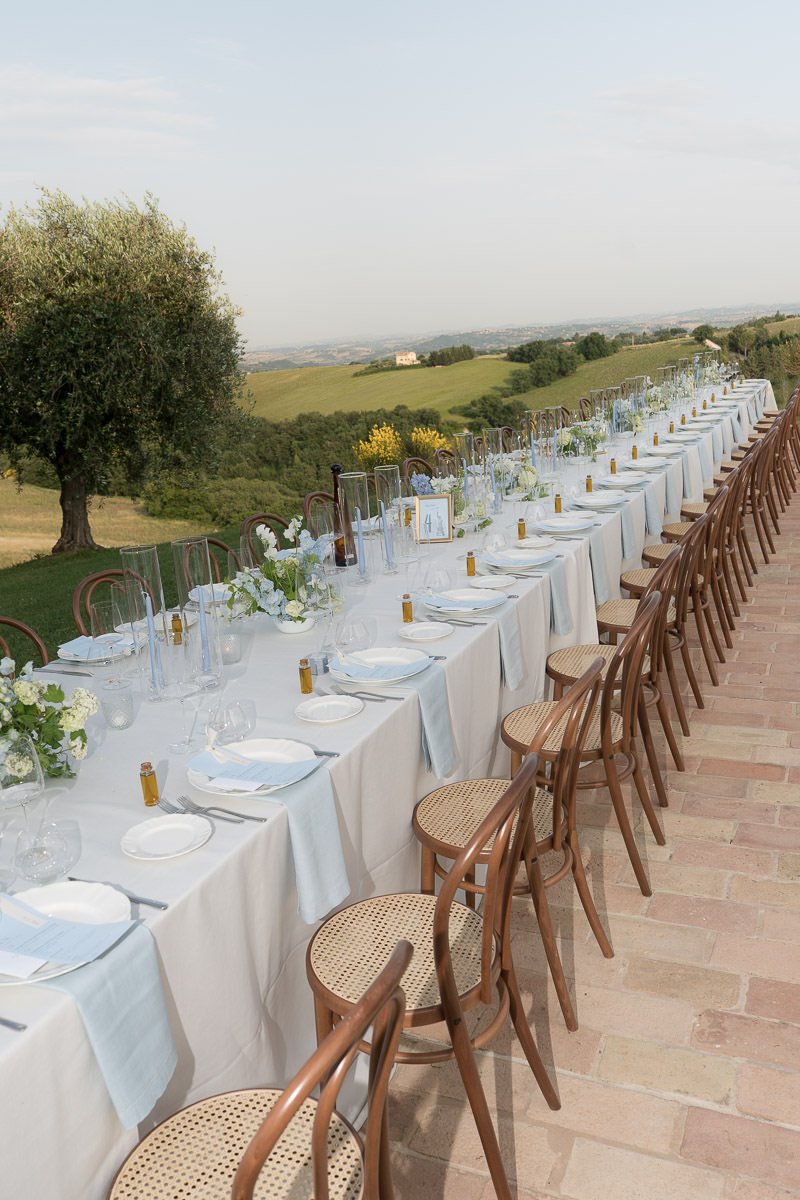
Golden hour is often associated with the most romantic images of the day, and in Italy, it can be especially striking. The warm, low-angle light adds depth and softness that enhances both landscapes and portraits. However, golden hour timing varies significantly depending on the season and location, which is why it should be considered early in the planning process.
Even a short window of time dedicated to couple portraits during golden hour can add a sense of calm and intimacy to the day, while resulting in images that feel timeless and emotionally resonant.
Evening Light and Atmosphere at Italian Weddings
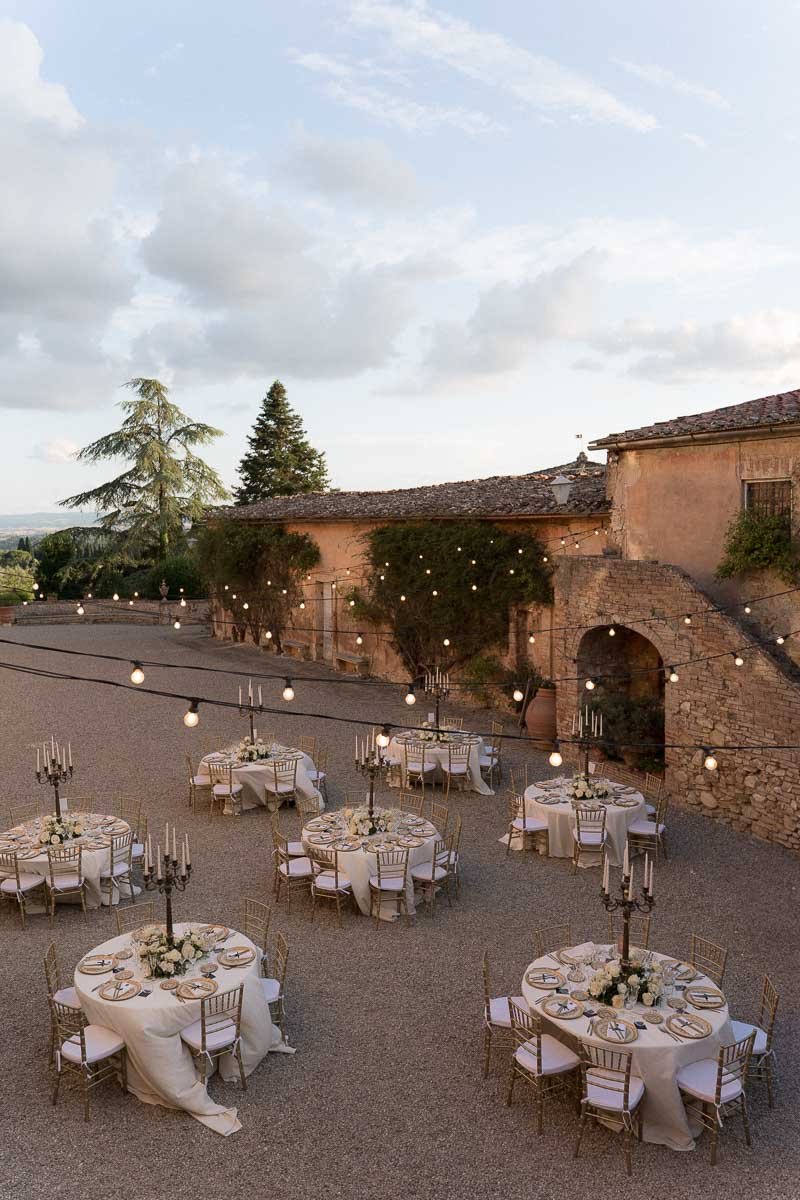
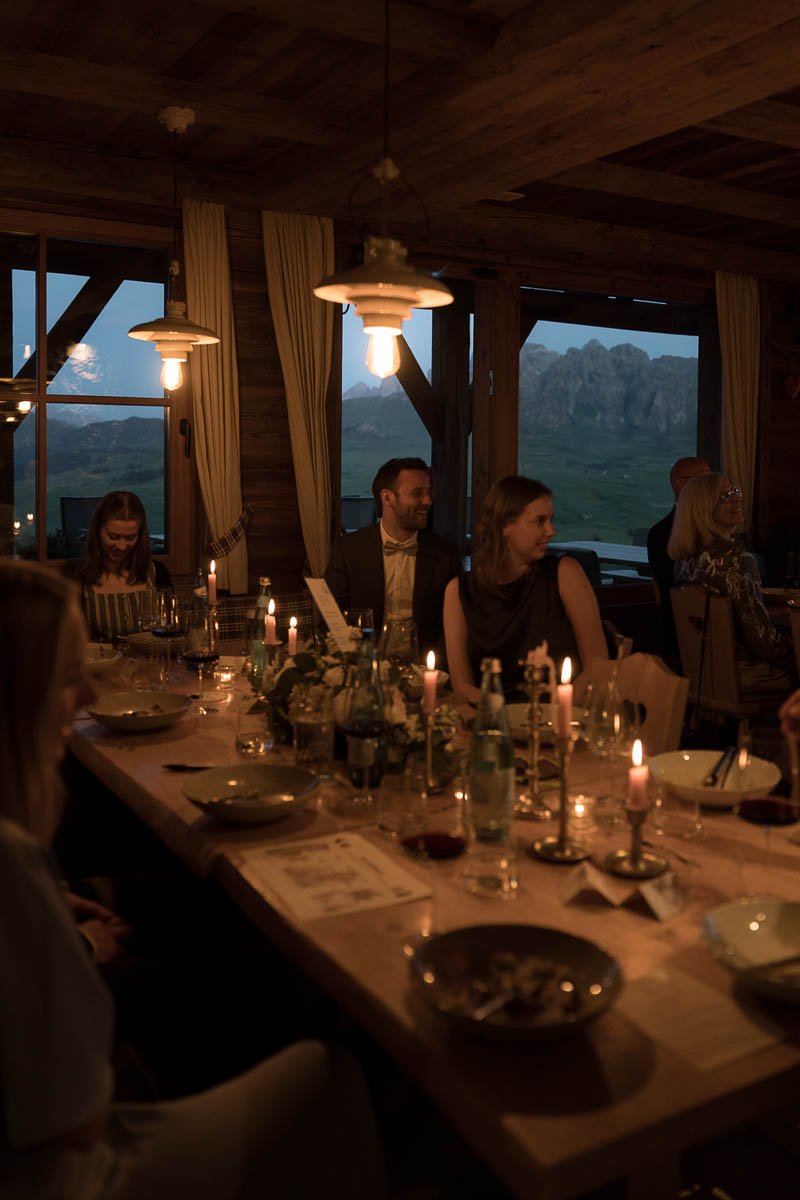
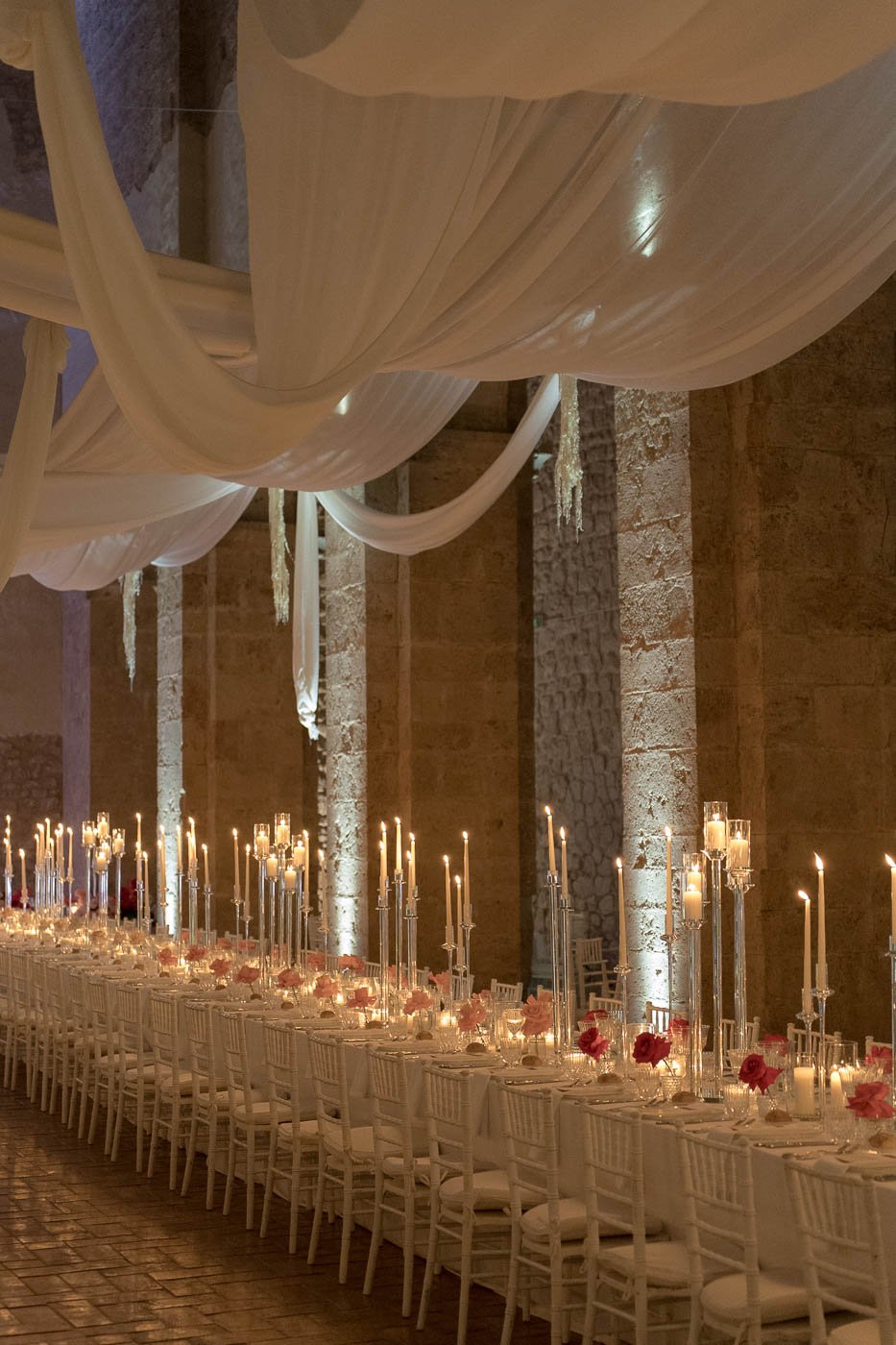
As the sun sets and celebrations continue into the evening, artificial lighting becomes part of the visual story. Candlelight, ambient illumination, and carefully designed lighting elements contribute to the mood of the reception. In Italy, where dinners often take place outdoors or in open courtyards, evening lighting plays a central role in shaping the atmosphere.
When planned thoughtfully, evening light enhances the sense of warmth and connection, allowing photographs to reflect the energy and emotion of the celebration without feeling harsh or intrusive.
Have a look at this Elegant Destination Wedding in Tuscany
Experience and Lighting on a Destination Wedding Day
Managing wedding photography lighting in Italy requires more than technical knowledge. It involves anticipation, flexibility, and an understanding of how light interacts with people and places. An experienced destination wedding photographer adjusts naturally to changing conditions, making subtle decisions throughout the day that protect the quality and consistency of the images.
This approach allows couples to remain present and engaged, confident that their photography is being handled with care and attention to detail.
For this very reason, if you are considering Tuscany as the region where you would like to get married, you may find it useful to read this article I wrote about it.
Common Lighting Mistakes Couples Can Avoid
Couples often underestimate how lighting affects photography. Common mistakes include:
- Scheduling ceremonies at midday in summer
- Choosing dark getting-ready rooms
- Ignoring sunset times
- Overlooking evening lighting design
Awareness and planning prevent these issues.
– A Final Perspective –
Wedding photography lighting in Italy is a defining element of destination weddings, shaping not only how images look, but how they feel. Light influences atmosphere, emotion, and storytelling, making it an essential part of thoughtful wedding planning.
By understanding how Italian light behaves and by working with a photographer experienced in these conditions, couples can ensure their wedding photographs reflect the beauty, elegance, and authenticity of their celebration in Italy. You may also find it useful to read my other article about “How to Plan a Wedding Day Timeline for Photography in Italy”.
Planning a destination wedding in Italy and want photography that works beautifully with natural and ambient light?
Feel free to get in touch to discuss your wedding plans.
