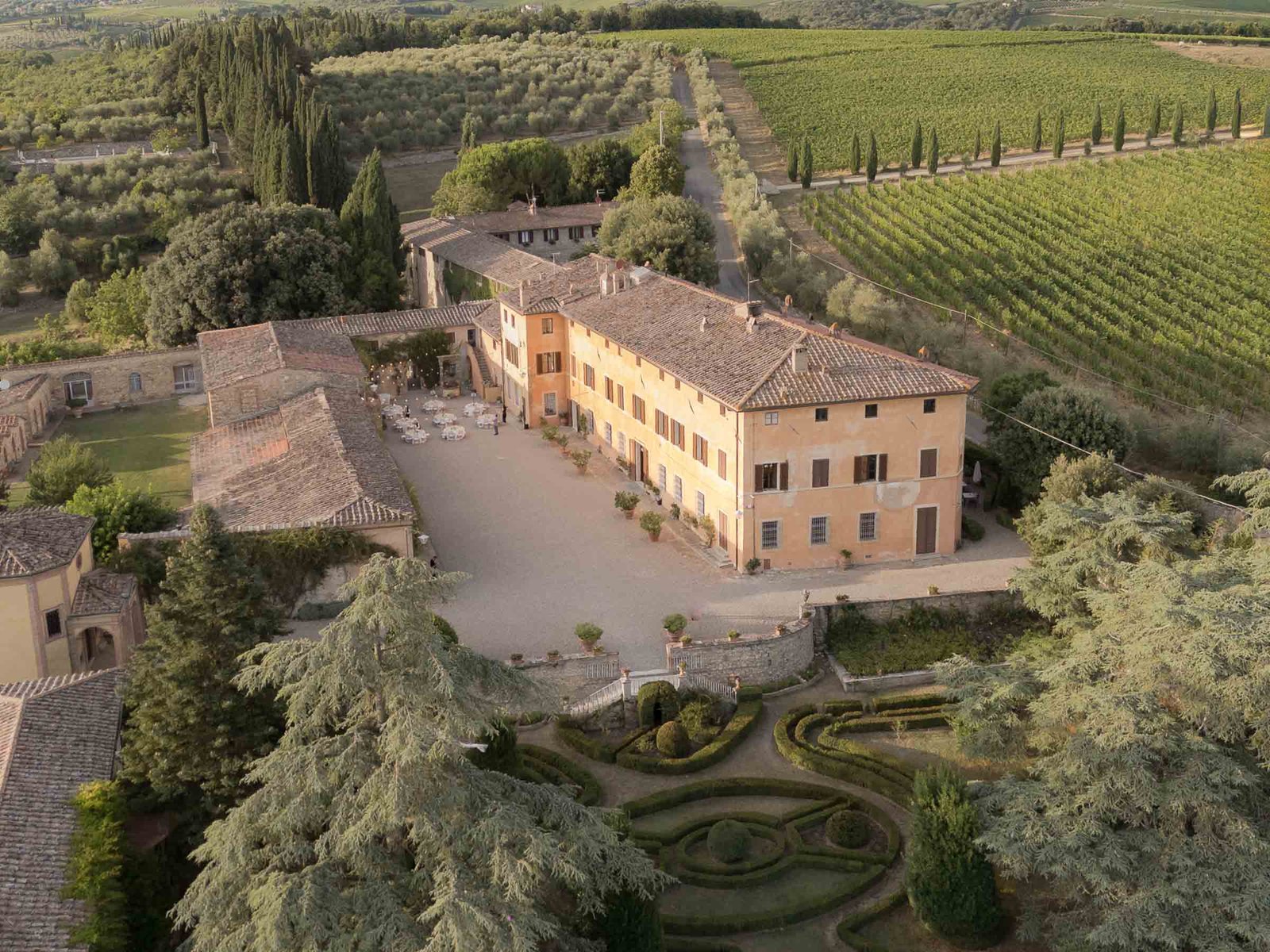
Wedding Photography in Italy: A Complete Guide for Destination Weddings
Italy has an unmistakable presence. It is felt in the way the light moves across stone walls in the late afternoon, in the pace of a long dinner under olive trees, and in the layers of history that shape every landscape. For couples choosing to marry here, wedding photography in Italy is not simply about beautiful images. It is about preserving a sense of place and translating an experience into something lasting.
Planning a destination wedding brings excitement, but it also raises questions, especially when it comes to photography. Light behaves differently here. Timelines follow a different rhythm. Venues are rich with character but often complex. This guide was created to offer clarity and perspective for couples planning a wedding in Italy and wanting to understand how photography fits into the larger experience.
Rather than focusing on trends or quick tips, this article takes a comprehensive view. It explores how light, seasonality, venues, timelines, and photographic approach all come together to shape wedding photography in Italy, helping couples make informed choices that feel natural and intentional.
Why Italy Is Unique for Wedding Photography
Wedding photography in Italy is deeply influenced by its environment. The country’s geography, architecture, and cultural pace create conditions that are unlike those found elsewhere. From the countryside to the coast and from historic cities to quiet villages, Italy offers visual depth that rewards a thoughtful photographic approach.
The presence of centuries-old architecture introduces texture, shadow, and scale. Stone walls absorb and reflect light in subtle ways, while narrow streets and open courtyards create contrasts that change throughout the day. Landscapes vary dramatically within short distances, allowing photographers to move from rolling hills to dramatic coastlines in a matter of hours.
Equally important is the Italian approach to weddings themselves. Celebrations tend to unfold slowly, with an emphasis on experience rather than strict scheduling. This rhythm allows moments to develop naturally, which is particularly important for photography that aims to feel authentic rather than staged.

Understanding Light in Wedding Photography in Italy
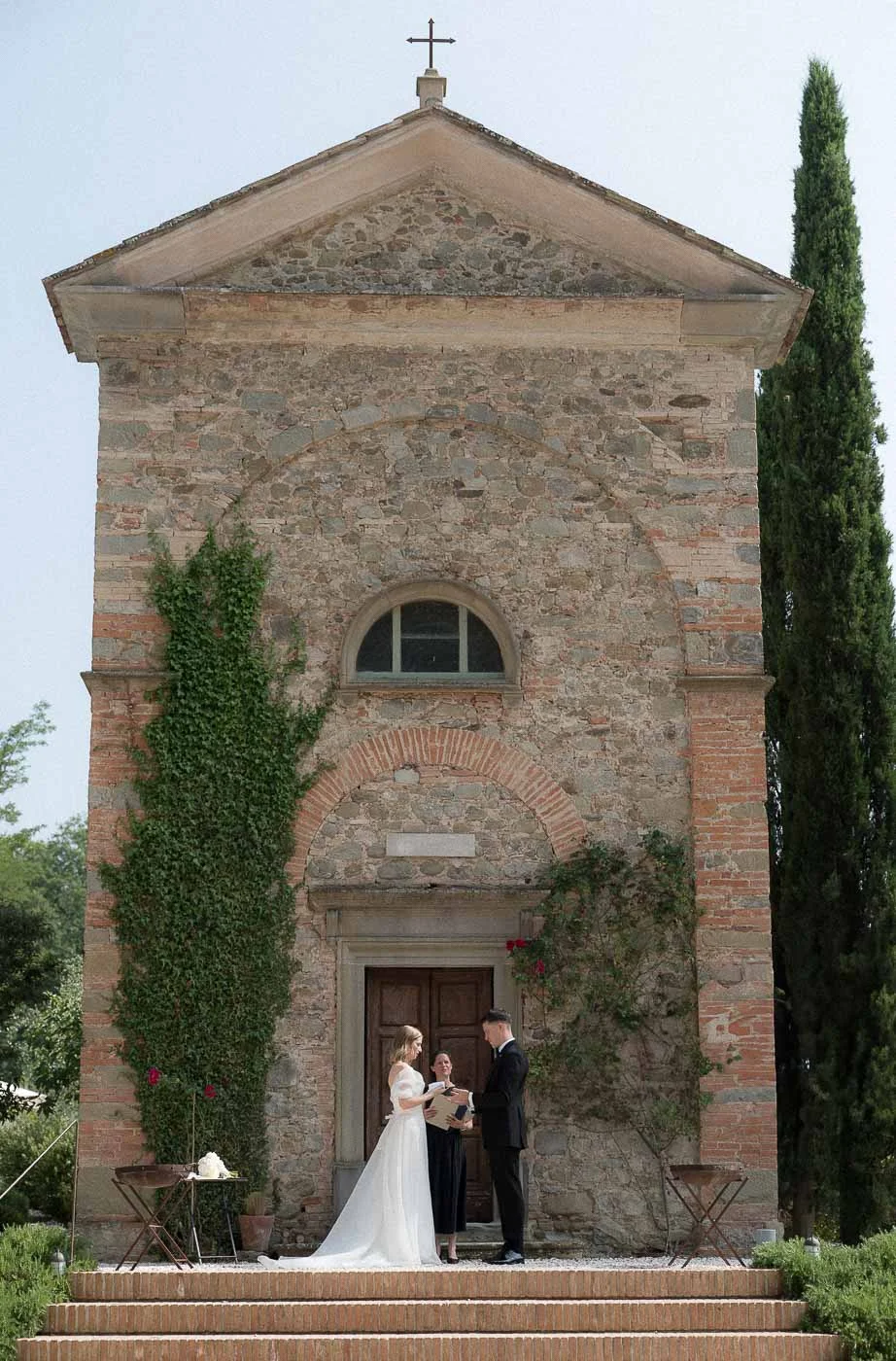
Light is one of the most defining elements of wedding photography in Italy. Its intensity, direction, and warmth change not only throughout the day but also across regions and seasons. Understanding how Italian light behaves is essential for planning a wedding day that photographs beautifully.
Morning light is often soft and directional, especially when it filters through large windows in historic villas or boutique hotels. This makes it ideal for getting-ready photographs, where subtle expressions and quiet moments are best captured without harsh contrast. As the day progresses, the sun rises high, particularly in spring and summer, creating strong midday light that can be challenging if not carefully managed.
Later in the afternoon, the quality of light shifts again. Shadows lengthen, tones warm, and the landscape takes on a softer, more dimensional appearance. This period, often referred to as golden hour, is especially valued in wedding photography in Italy for its ability to enhance both people and surroundings in a natural, understated way.
For a deeper exploration of this subject, couples can read What Couples Should Know About Wedding Photography Lighting in Italy, which examines lighting conditions in detail and explains how they influence the look and feel of wedding images.
Planning a Wedding Day Timeline for Photography in Italy
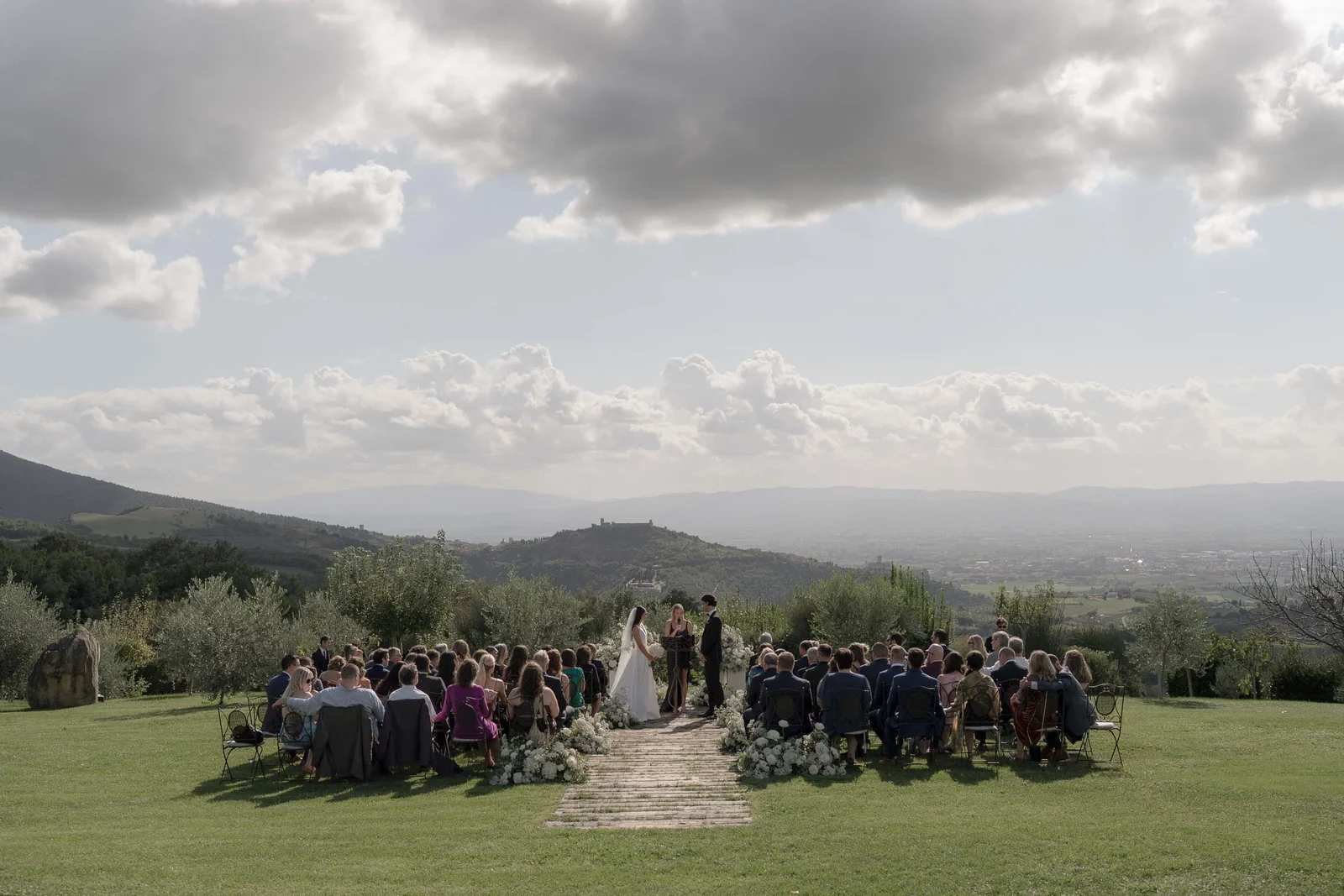
A well-considered timeline is one of the most important factors in successful wedding photography in Italy. Unlike local weddings, destination celebrations often involve travel between locations, late ceremony times, and extended aperitivo and dinner moments. These elements must be accounted for if photography is to remain relaxed and unforced.
Italian weddings rarely follow an early schedule. Ceremonies often take place in the late afternoon, especially during warmer months, which can be advantageous for photography when planned correctly. However, without sufficient time allocated for getting ready, portraits, and transitions, the day can quickly feel rushed.
Photography benefits most from timelines that allow space rather than compression. Moments unfold naturally when there is no pressure to move immediately from one event to the next. Couples who prioritize experience over rigid scheduling often find that their images reflect that sense of ease.
A more detailed explanation of how to structure the day can be found in How to Plan a Wedding Day Timeline for Photography in Italy, which offers practical guidance from a photographic perspective.
Best Time of Year for Wedding Photography in Italy
Seasonality plays a significant role in shaping wedding photography in Italy. Each time of year offers a distinct atmosphere, influenced by light, temperature, landscape, and crowd levels. Rather than asking which season is best, couples are often better served by asking which season aligns most closely with their vision and priorities.
Spring brings softer light and fresh colors, with landscapes beginning to bloom after winter. The air feels lighter, and outdoor ceremonies are often comfortable, though weather can be unpredictable. Summer, while popular, requires careful planning due to strong midday sun and high temperatures, especially in southern regions and coastal areas. When managed thoughtfully, however, summer evenings offer long, luminous hours ideal for portraits and celebrations.
Autumn is often favored from a photographic standpoint. The light becomes warmer and more directional, crowds begin to thin, and the overall atmosphere feels more intimate. Winter, though less common, offers a quieter, more editorial aesthetic, particularly in historic cities and indoor venues where soft, low-angle light creates a refined mood.
Couples seeking a season-by-season analysis can explore Best Time of Year to Get Married in Italy: A Photographer’s Perspective, which examines these differences in greater depth.
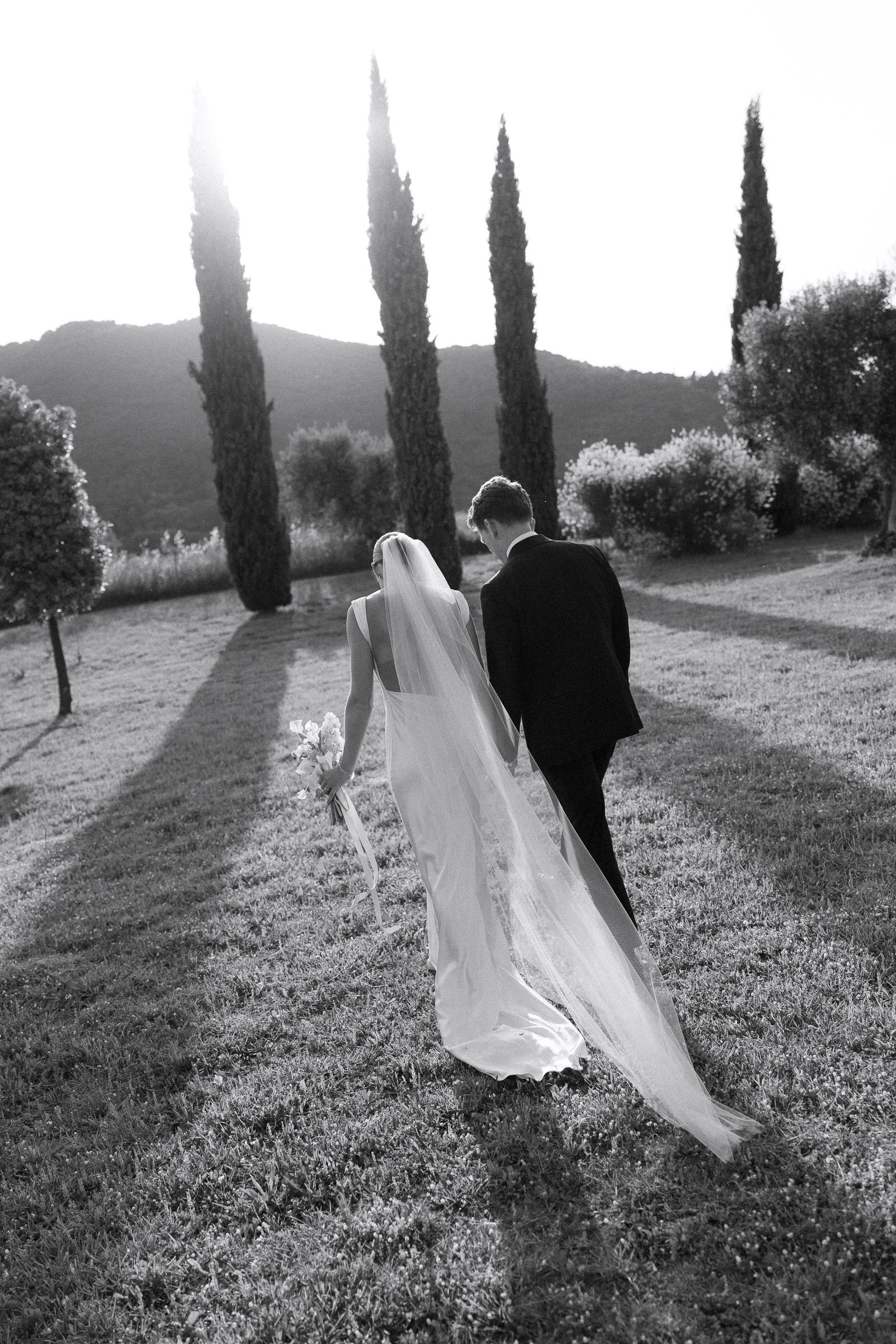
Italian Wedding Venues and Photography Considerations
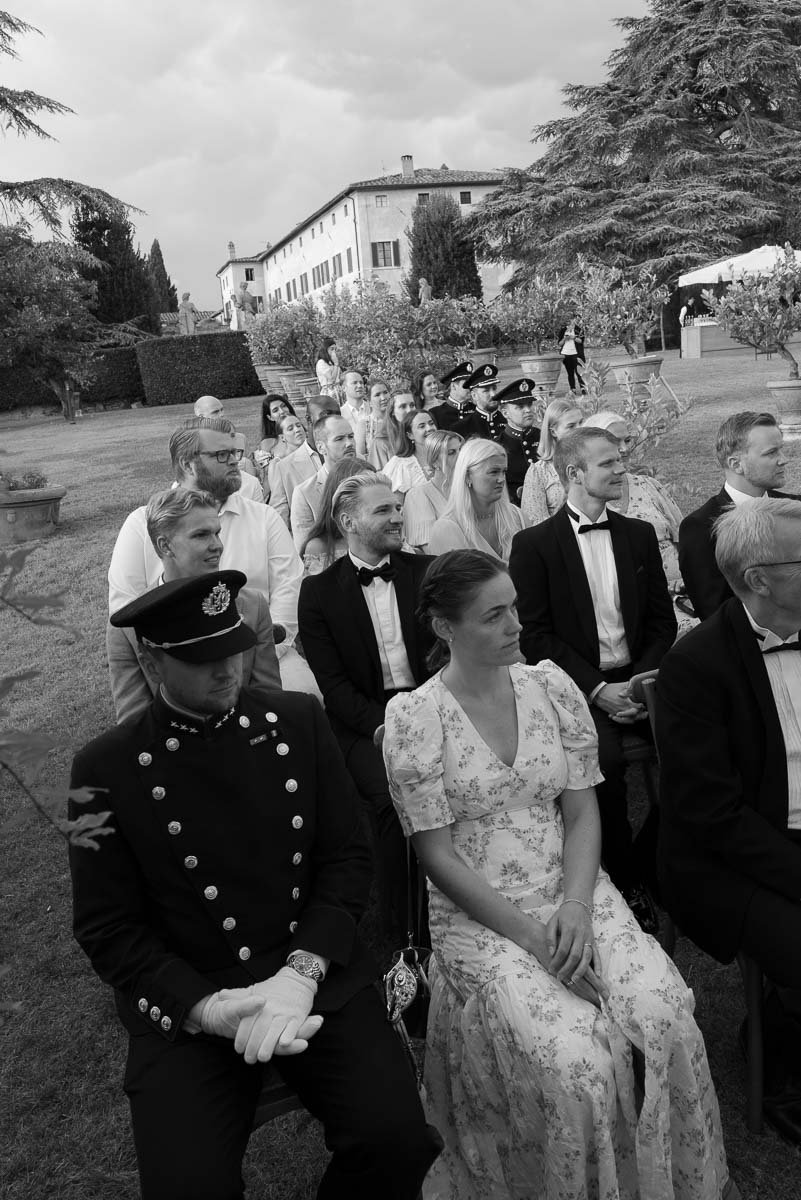
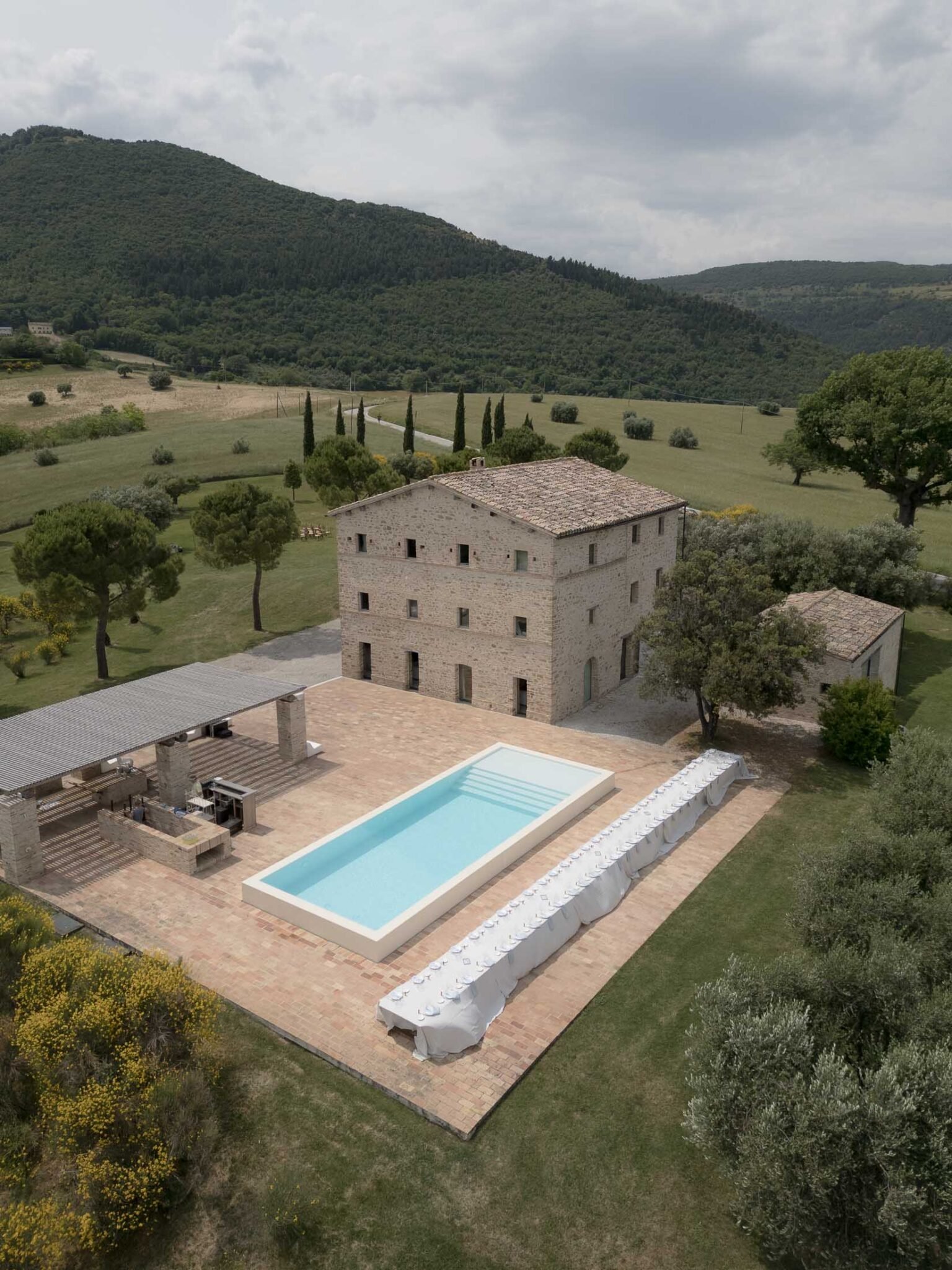
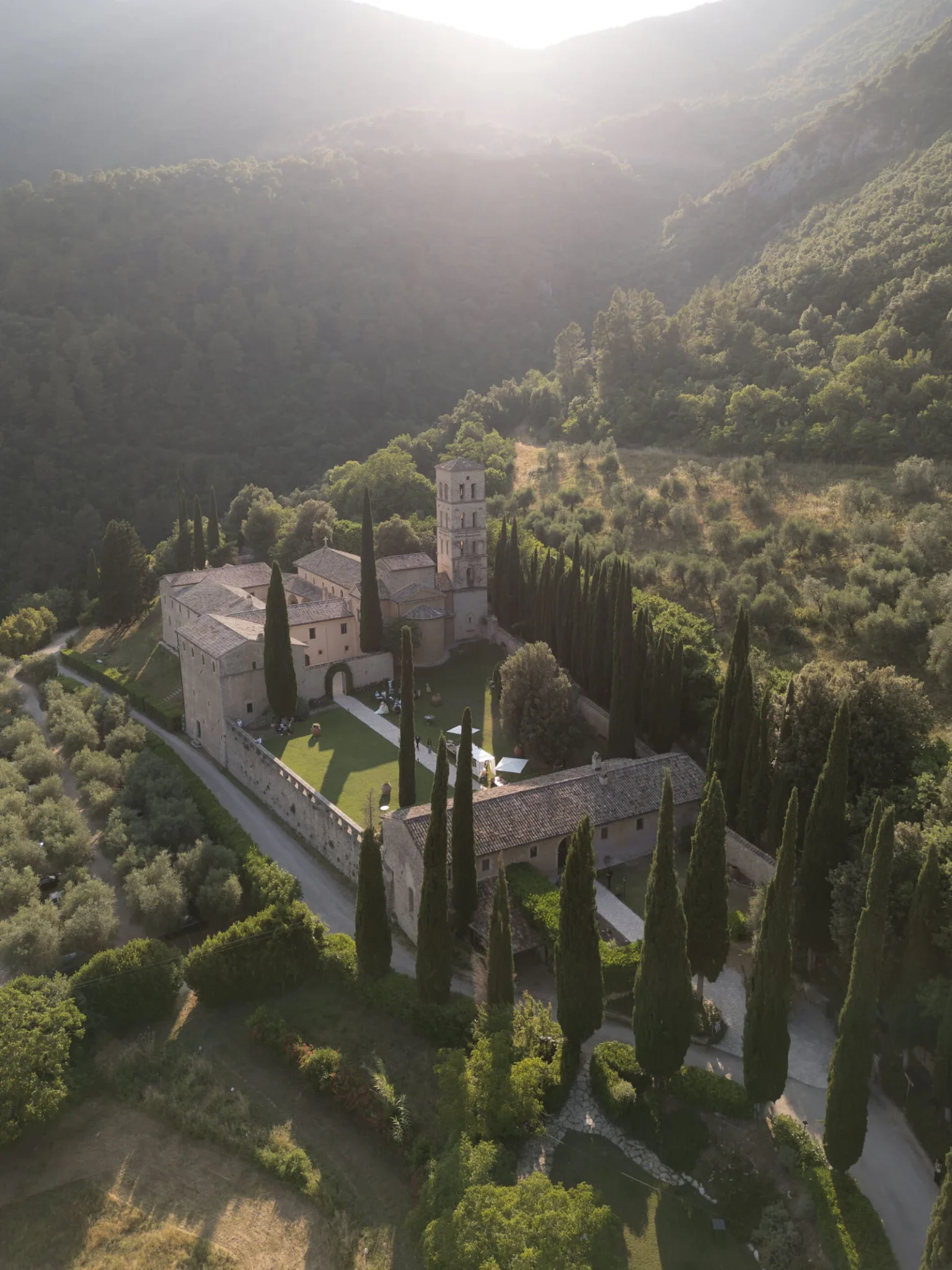
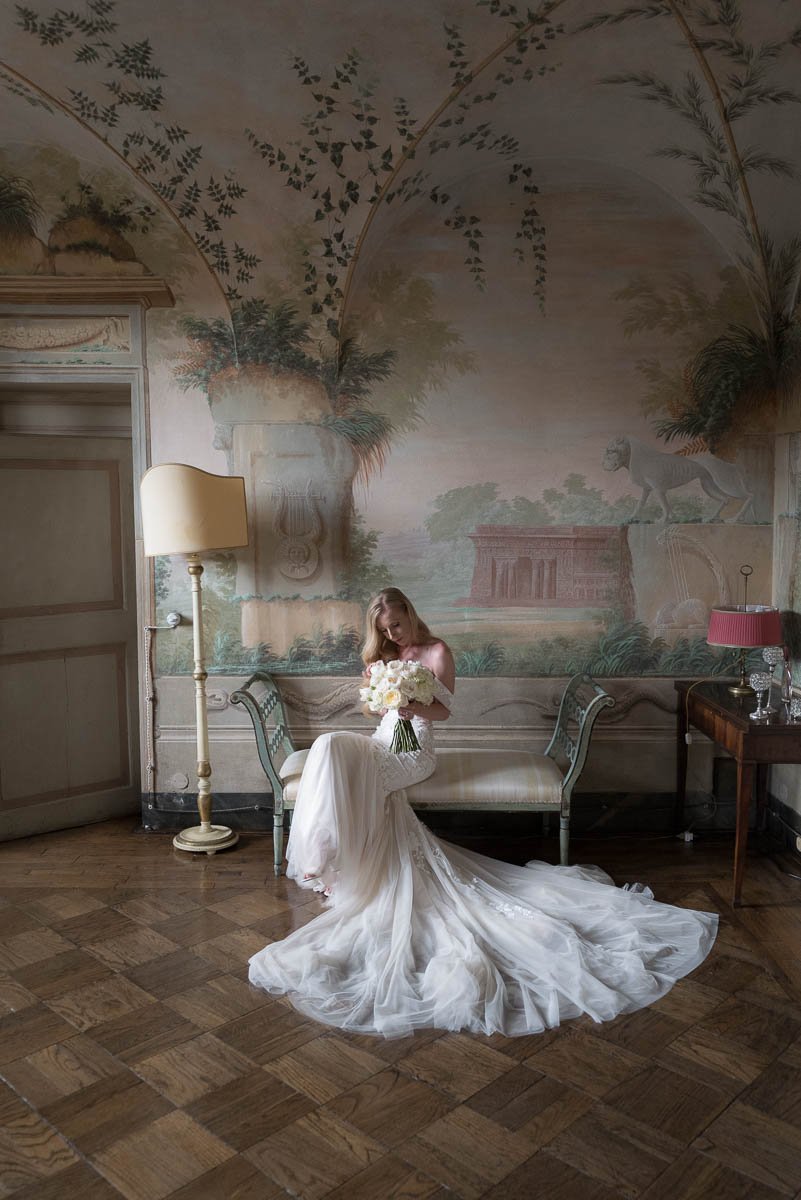
Italian wedding venues are visually striking, but they also present unique photographic considerations. Many historic villas, monasteries, and palaces were built long before modern lighting needs, resulting in thick walls, smaller windows, and interior spaces that can feel dim. While this contributes to atmosphere, it requires experience to photograph effectively.
Outdoor spaces such as courtyards, terraces, and gardens are often integral to Italian venues. These areas provide beautiful natural light but change significantly throughout the day as the sun moves. Understanding how light interacts with a specific venue allows for better planning of ceremonies, portraits, and key moments.
Photographers familiar with Italian venues know how to use architecture as an asset rather than a limitation, framing scenes in ways that enhance depth and balance while respecting the natural environment.
Popular Italian Wedding Destinations for Photography
Each Italian region carries its own visual identity, which naturally influences wedding photography. Tuscany is known for its rolling hills, warm tones, and understated elegance, offering a timeless aesthetic that works beautifully in natural light. Lake Como presents a more refined atmosphere, with reflections on the water and dramatic mountain backdrops creating a sense of quiet luxury.
The Amalfi Coast is bold and expressive, defined by strong light, vivid colors, and dramatic landscapes. Photography here often embraces contrast and scale. Italian cities such as Rome, Florence, and Venice offer a different experience altogether, where architecture, history, and intimacy take precedence over open landscapes.
If you are interested in one of Italy’s most popular regions, Tuscany, you may wish to consider the advice I give in this article.
Choosing a destination is as much about emotional connection as it is about visual style. Each region supports a different photographic narrative.
Italy’s cultural diversity and regional landscapes, as also reflected by the Italian National Tourism Board, play a significant role in shaping destination weddings across the country.
 CASA OLIVI – LE MARCHE
- ABBAZIA DI SAN PIETRO IN VALLE – UMBRIA
Documentary and Editorial Approaches to Wedding Photography in Italy
Photography style plays an important role in how a wedding day is experienced and remembered. In Italy, where moments often unfold organically, a documentary approach allows events to be captured as they happen, without interruption or excessive direction. This style emphasizes authenticity and emotional continuity.
An editorial approach, by contrast, focuses on composition, light, and structure, creating images that feel refined and timeless. Many destination wedding photographers working in Italy combine these approaches, allowing space for real moments while offering subtle guidance when needed.
This balance is particularly effective in a destination context, where couples often want images that feel natural but also reflect the beauty of their surroundings.
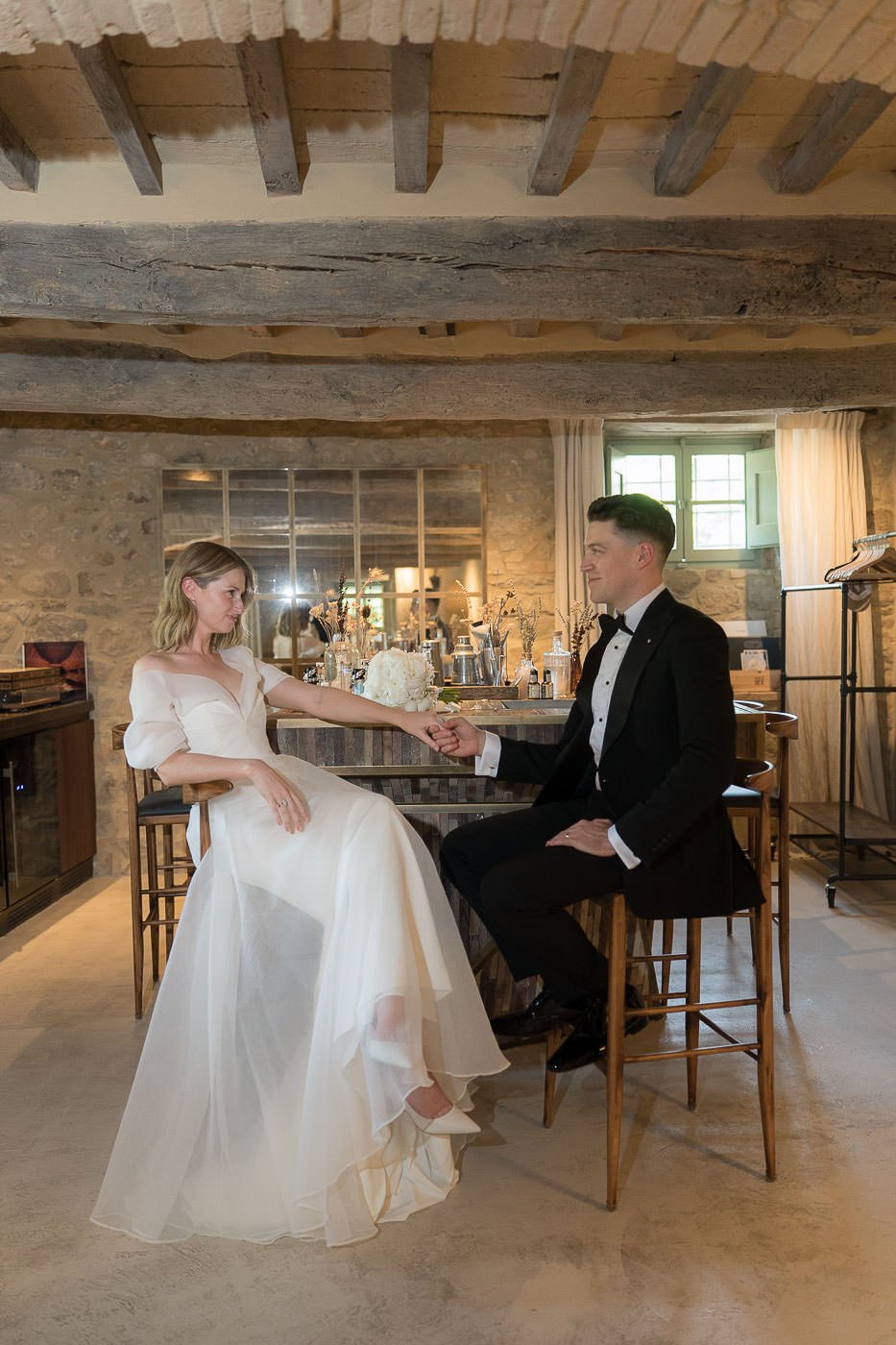
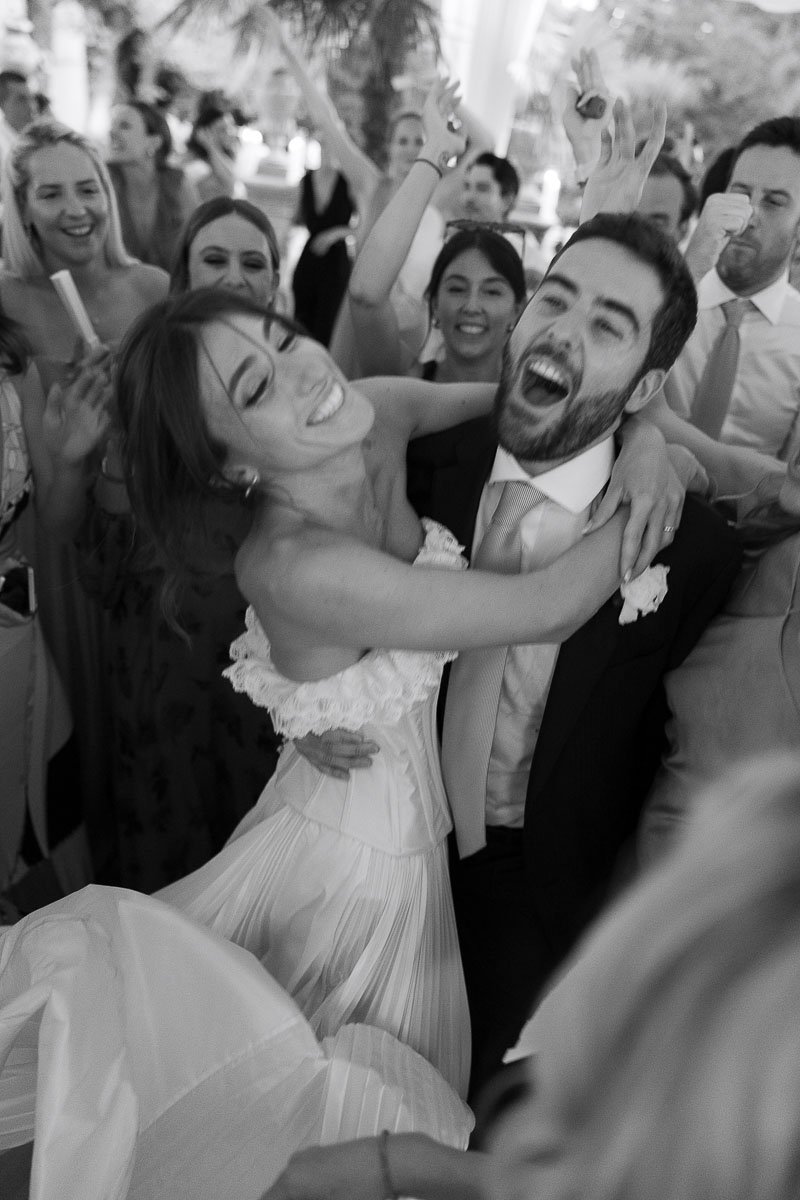
What a Destination Wedding Photographer in Italy Actually Does
Wedding photography in Italy extends far beyond the wedding day itself. Much of the work happens in advance, through careful preparation and planning. This includes understanding the venue layout, tracking light patterns, advising on timelines, and coordinating with planners and other vendors.
Cultural awareness also plays a role. Italian weddings often follow traditions and rhythms that differ from those in other countries. A photographer familiar with these nuances can anticipate moments and adapt seamlessly as the day unfolds.
This level of preparation allows couples to feel supported and confident, knowing that photography is being handled with care and foresight.
Common Challenges Couples Face with Wedding Photography in Italy
Many challenges arise not from the destination itself, but from unfamiliarity with how things work. Underestimating travel time between locations, overlooking the impact of midday sun, or choosing spaces with limited natural light can all affect photography if not addressed early.
These challenges are rarely significant when acknowledged in advance. With proper planning and guidance, they become opportunities to create a smoother, more enjoyable experience.
Choosing the Right Wedding Photographer in Italy
Selecting a wedding photographer for a destination wedding in Italy is a deeply personal decision. Beyond technical skill, couples should consider experience, consistency, and communication. Reviewing full wedding galleries provides insight into how a photographer handles different lighting conditions, timelines, and emotional moments.
Equally important is finding someone whose approach aligns with how you want to experience your day. Photography should feel supportive, not intrusive, allowing you to remain present while your story is documented with care.
Seeing Wedding Photography in Italy Through Real Weddings
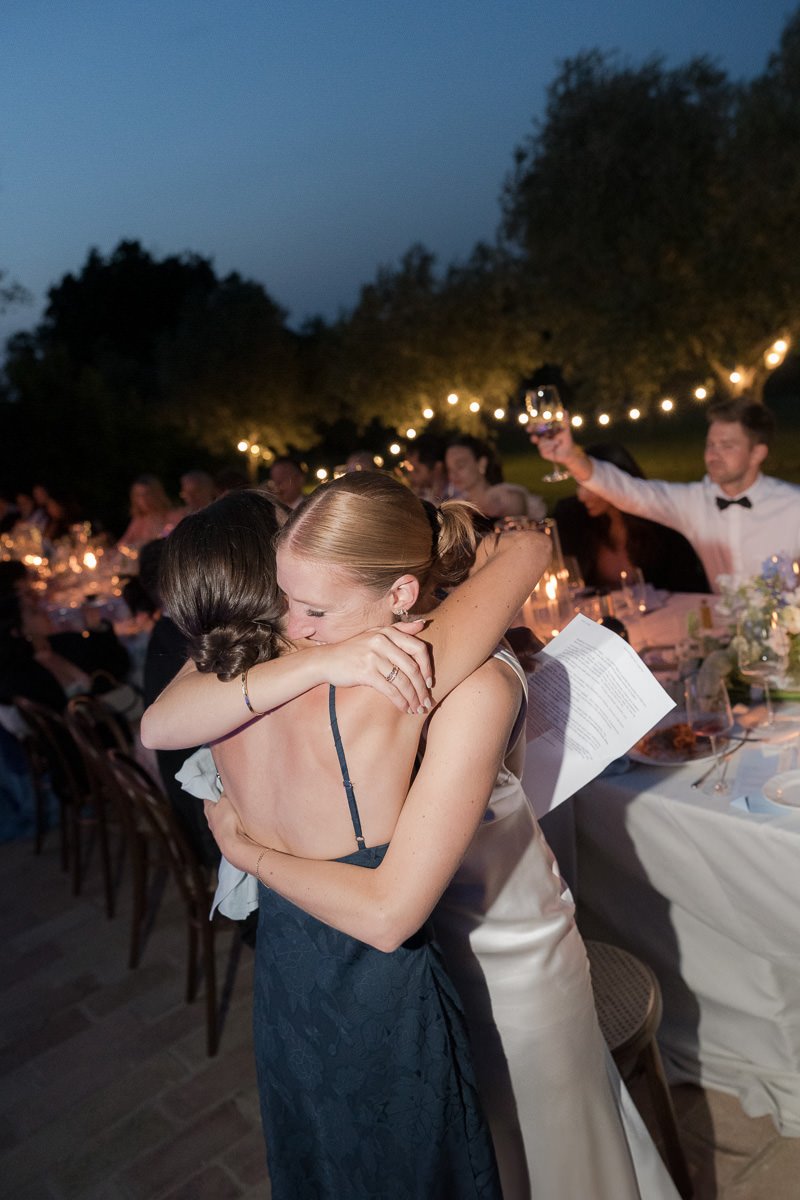
Real wedding stories offer perspective that curated highlights cannot. They show how light changes throughout the day, how moments connect, and how photography adapts to real conditions. Exploring full wedding galleries helps couples visualize how their own day might unfold.
Examples such as an elegant destination wedding in Tuscany or an intimate Italian elopement illustrate how planning, light, and atmosphere come together in practice.
How Wedding Photography Shapes the Overall Experience
When photography is thoughtfully integrated into the wedding day, it enhances rather than interrupts the experience. Couples feel less rushed, guests feel more relaxed, and moments unfold naturally. The resulting images reflect not only how the day looked, but how it felt to be there.
Wedding photography in Italy is most successful when it respects the environment, the pace of the day, and the emotional significance of each moment.
– A Photographer’s Perspective –
Wedding photography in Italy is shaped by many interconnected elements, including light, season, location, and cultural rhythm. Understanding these factors allows couples to plan with intention, ensuring their photographs reflect both the beauty of the destination and the authenticity of their experience.
This guide serves as a foundation for couples navigating destination wedding planning in Italy. With thoughtful preparation and the right photographic approach, wedding photography becomes an integral part of a meaningful and memorable celebration.
If you are planning a destination wedding in Italy and would like photography that reflects light, atmosphere, and genuine moments,
you are welcome to get in touch to discuss your plans.
