Getting Married in Tuscany: A Photography Guide
Tuscany has a way of staying with you. It’s not only the landscapes or the villas, but the rhythm of the place itself. The days feel slower, the light changes gently, and celebrations tend to unfold without urgency. For couples planning a destination wedding, getting married in Tuscany often feels less like choosing a location and more like choosing a mood.
From a photography perspective, Tuscany offers something rare: consistency without monotony. No two weddings feel the same, yet the region has a visual coherence that allows moments to breathe and stories to unfold naturally. This guide is written for couples who are considering getting married in Tuscany and want to understand how photography fits into the experience, beyond the obvious beauty.
Why Tuscany Is So Loved for Destination Weddings
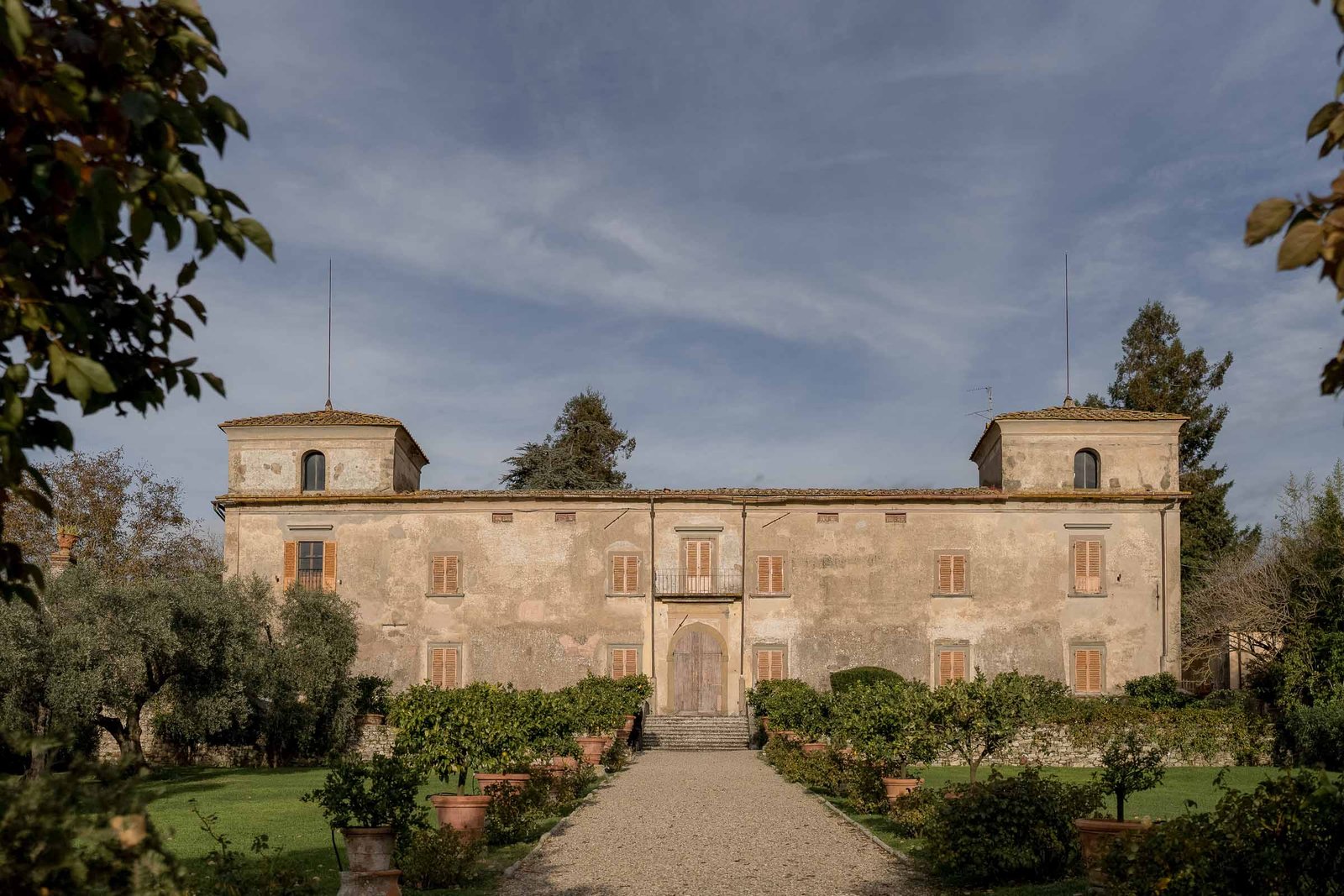
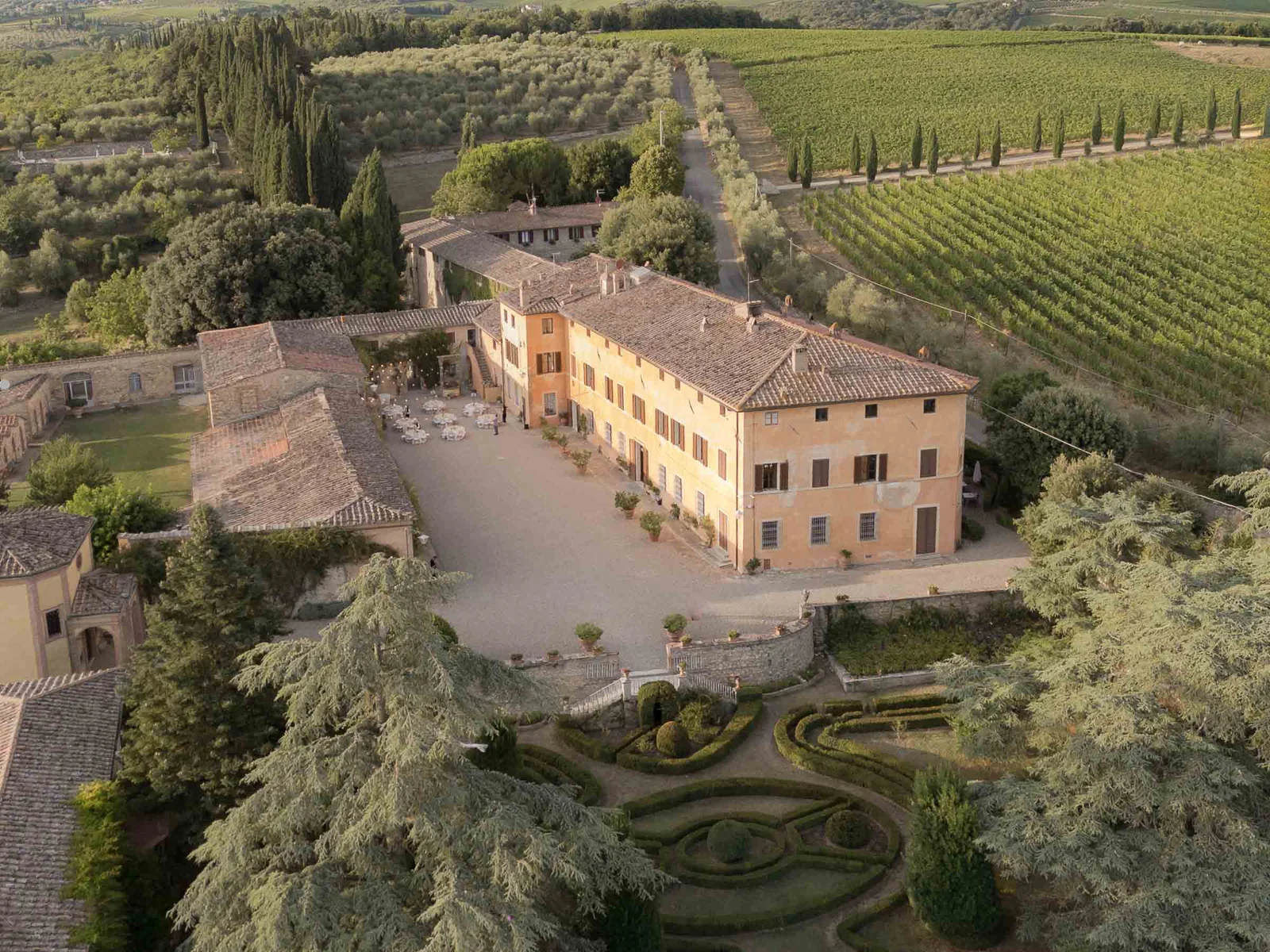
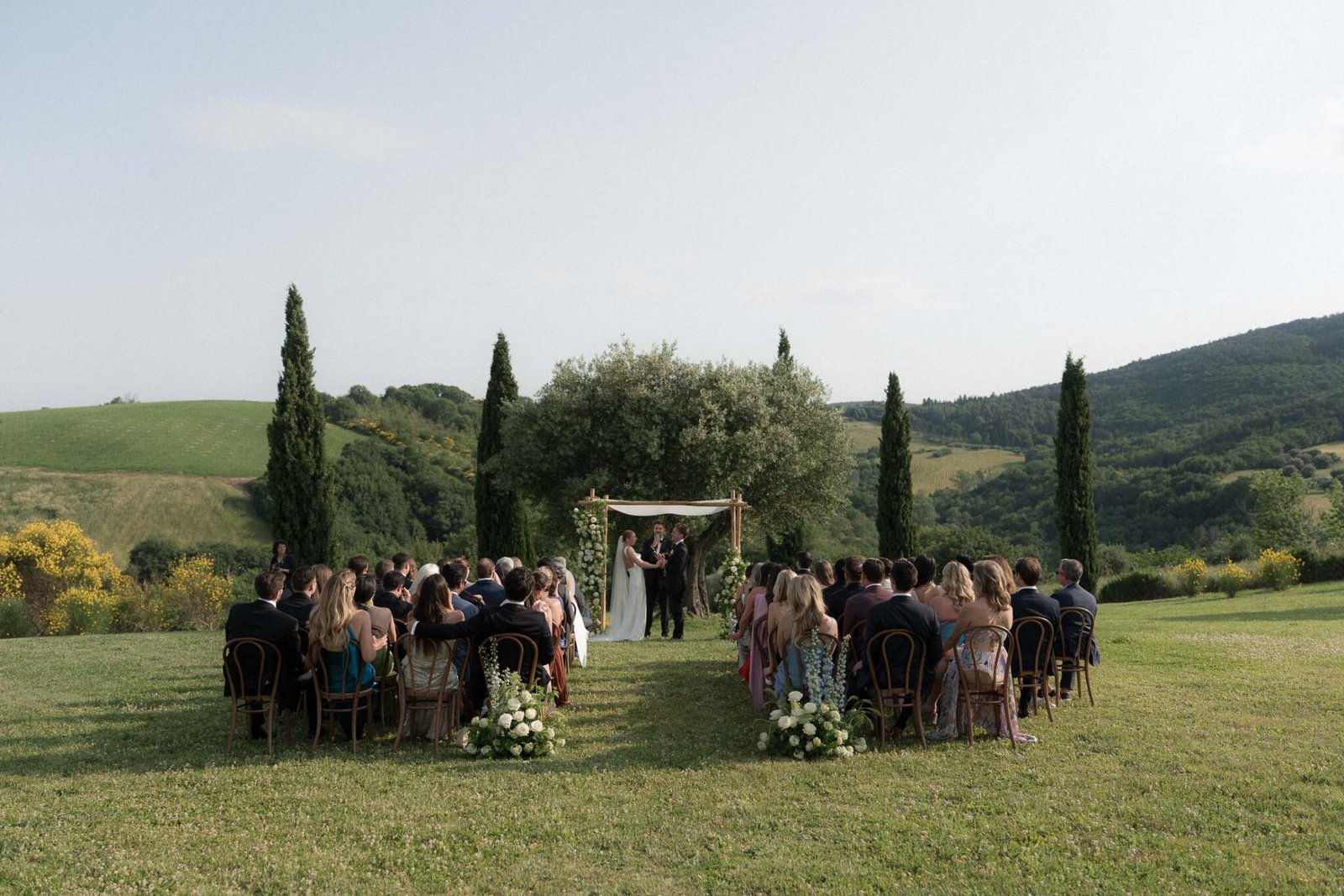
There is a quiet balance to Tuscany that makes it particularly well suited to weddings. Rolling hills, vineyards, olive groves, and historic villas create a setting that feels elegant without being overwhelming. Even the most refined venues remain connected to the surrounding landscape, which gives weddings here a sense of intimacy regardless of scale.
When couples choose to get married in Tuscany, they are often drawn to the idea of gathering their closest people in one place and allowing the day to unfold naturally. This approach aligns beautifully with photography that values real moments over rigid structure. Tuscany doesn’t demand spectacle. It rewards presence.
Tuscany offers a rare balance between landscape, history, and pace, which is one of the reasons it continues to attract couples from around the world planning a destination wedding in the region.
Light and Landscape: What Makes Tuscany Special for Photography
Light is one of Tuscany’s greatest assets. It moves slowly across the landscape, shaped by hills rather than sharp coastlines or dense cities. Mornings tend to be soft and calm, especially in the countryside, making them ideal for getting ready and quiet moments before the day begins.
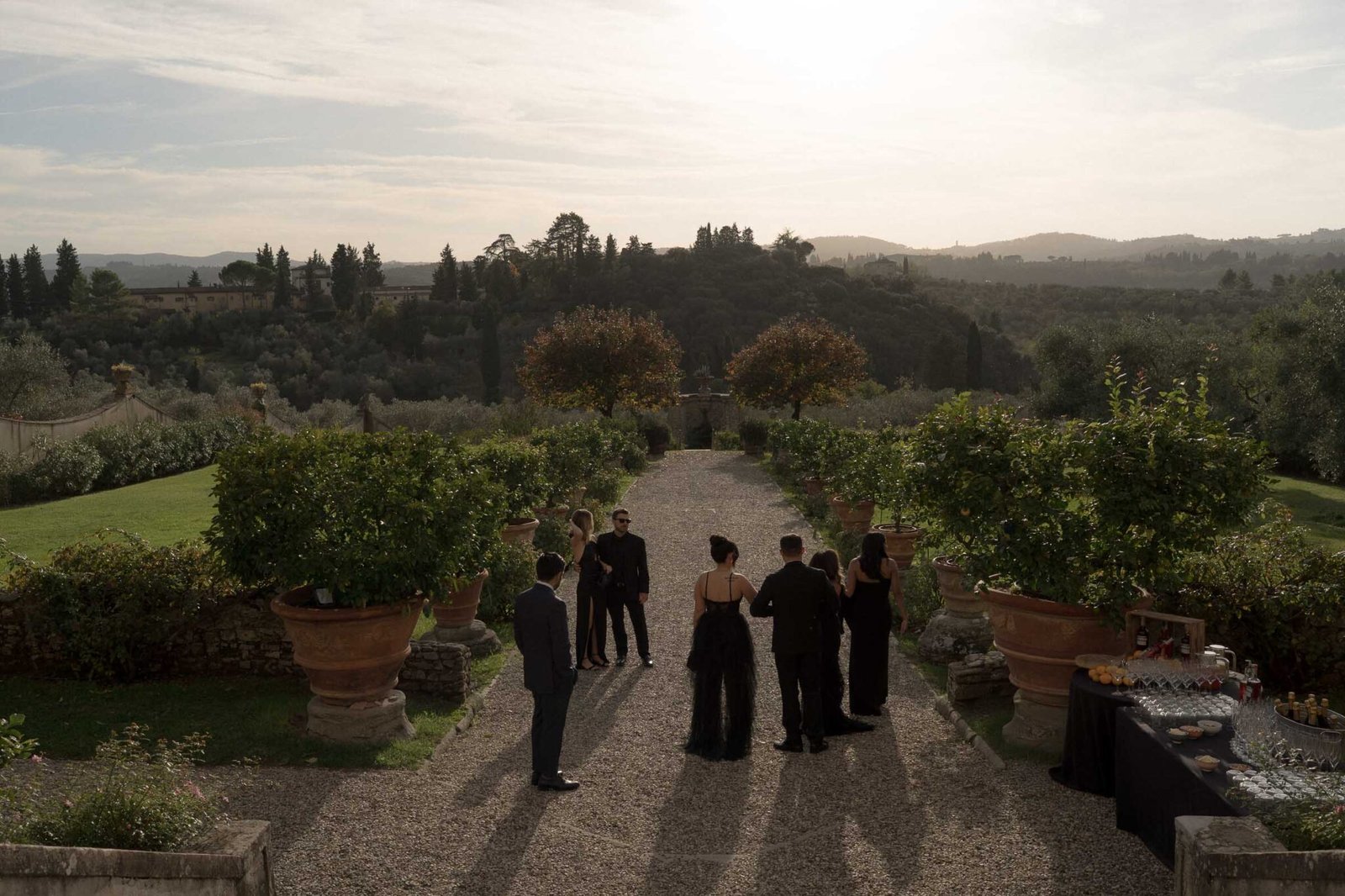
As the day progresses, the light becomes stronger but rarely harsh. The warm tones of stone buildings and earth soften contrast, even in summer. In the late afternoon, Tuscany truly reveals itself. The light becomes golden and directional, creating depth and texture without feeling dramatic or forced.
This is one of the reasons Tuscany works so well for wedding photography. The environment supports images that feel timeless rather than trendy. Whether a wedding is intimate or elaborate, the light allows moments to feel grounded and natural.
Choosing the Right Season to Get Married in Tuscany
When thinking about getting married in Tuscany, season matters, but perhaps not in the way couples initially expect. Spring brings fresh landscapes and gentle light, though weather can be unpredictable. Summer offers long evenings and vibrant energy, but requires thoughtful timing to avoid the strongest midday sun. Autumn is often favored for its warm tones and quieter atmosphere, while winter provides intimacy and a more editorial feel, especially for smaller celebrations.
From a photography point of view, there is no bad season in Tuscany. Each one simply tells a different story. What matters most is aligning your expectations with the rhythm of the season you choose. Tuscany rewards couples who embrace the environment rather than trying to control it.
You also may find useful my article about “The best time of year to get married in Italy”.
Tuscan Wedding Venues and How They Shape the Day
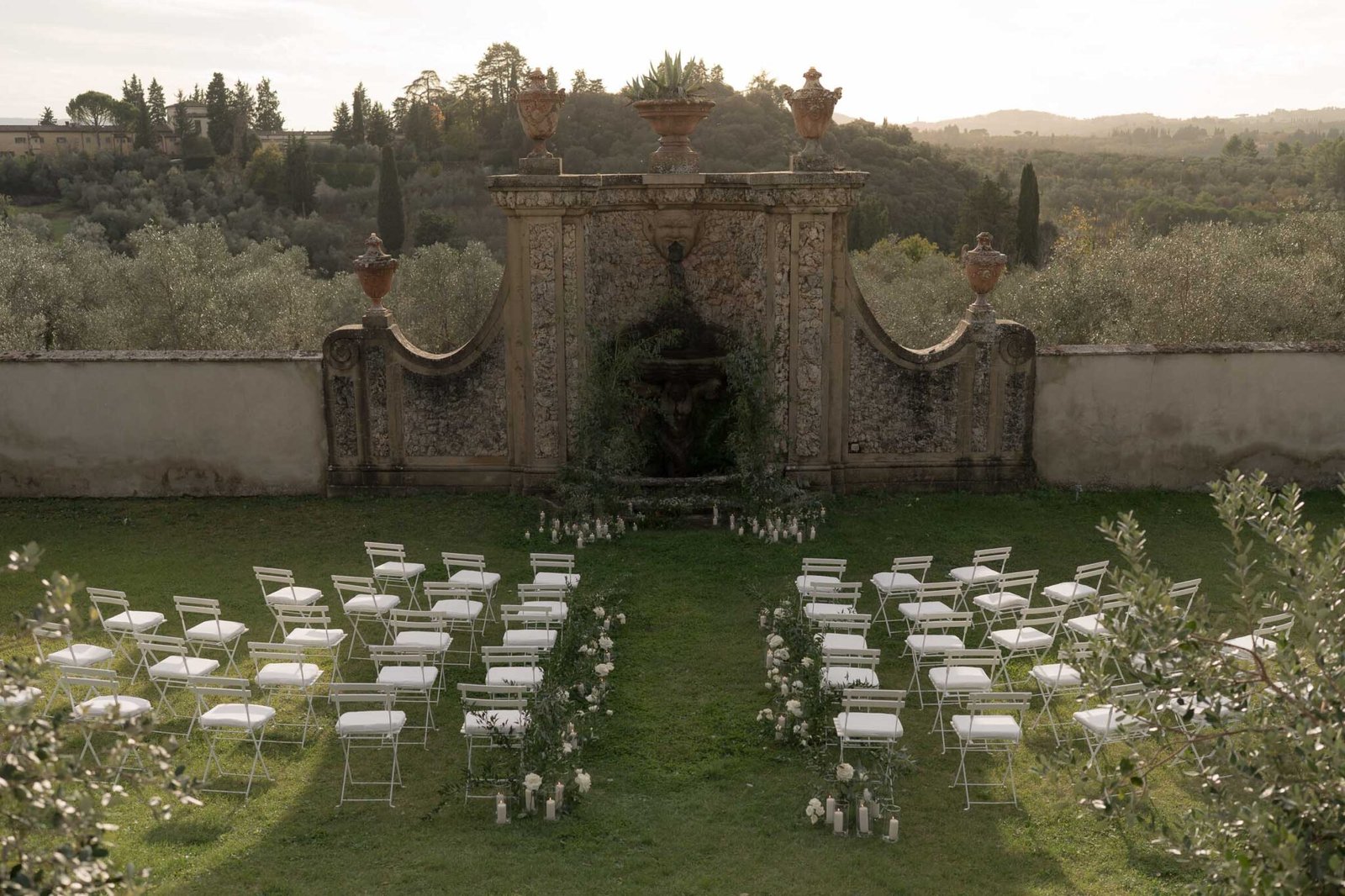
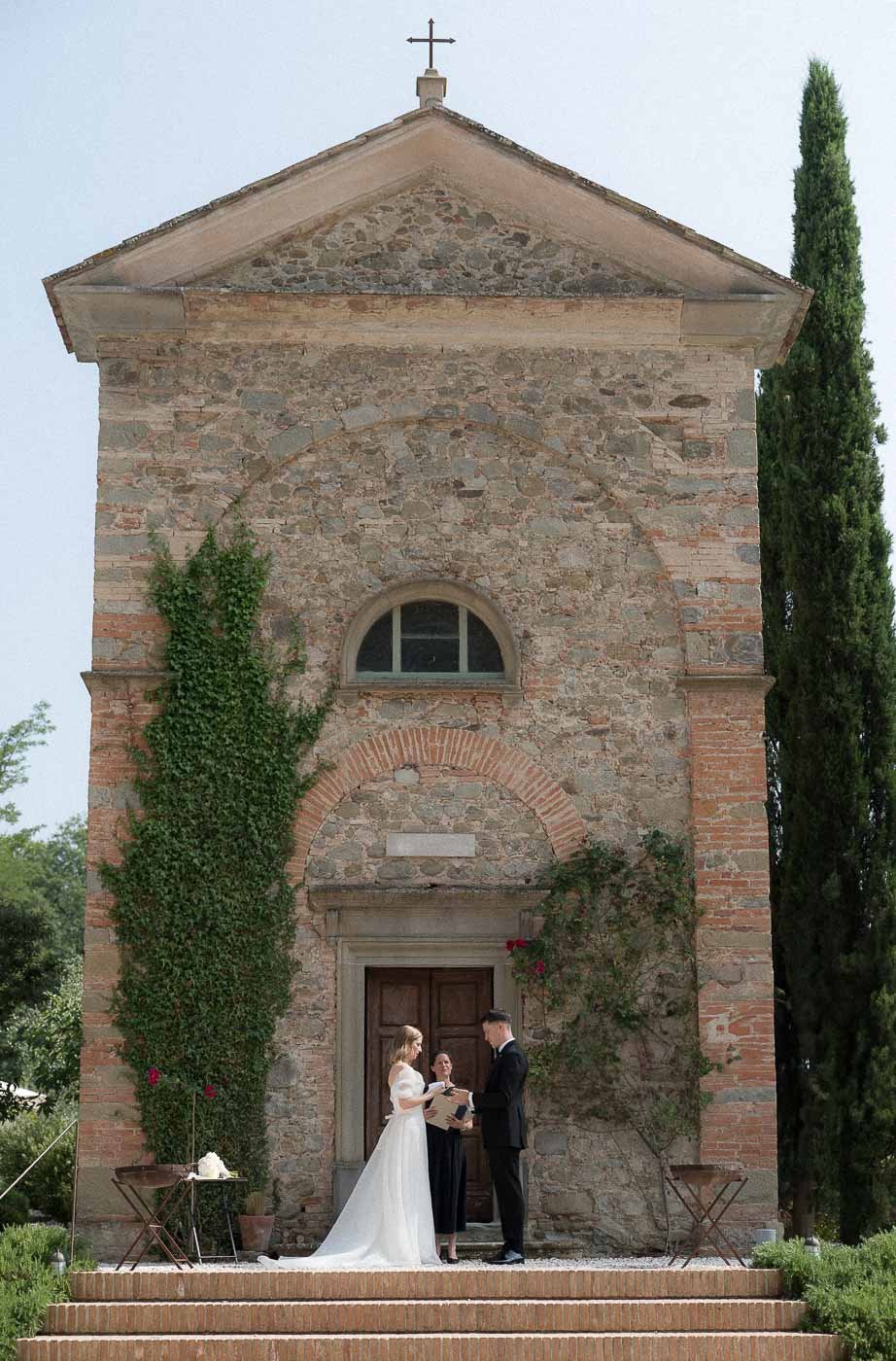
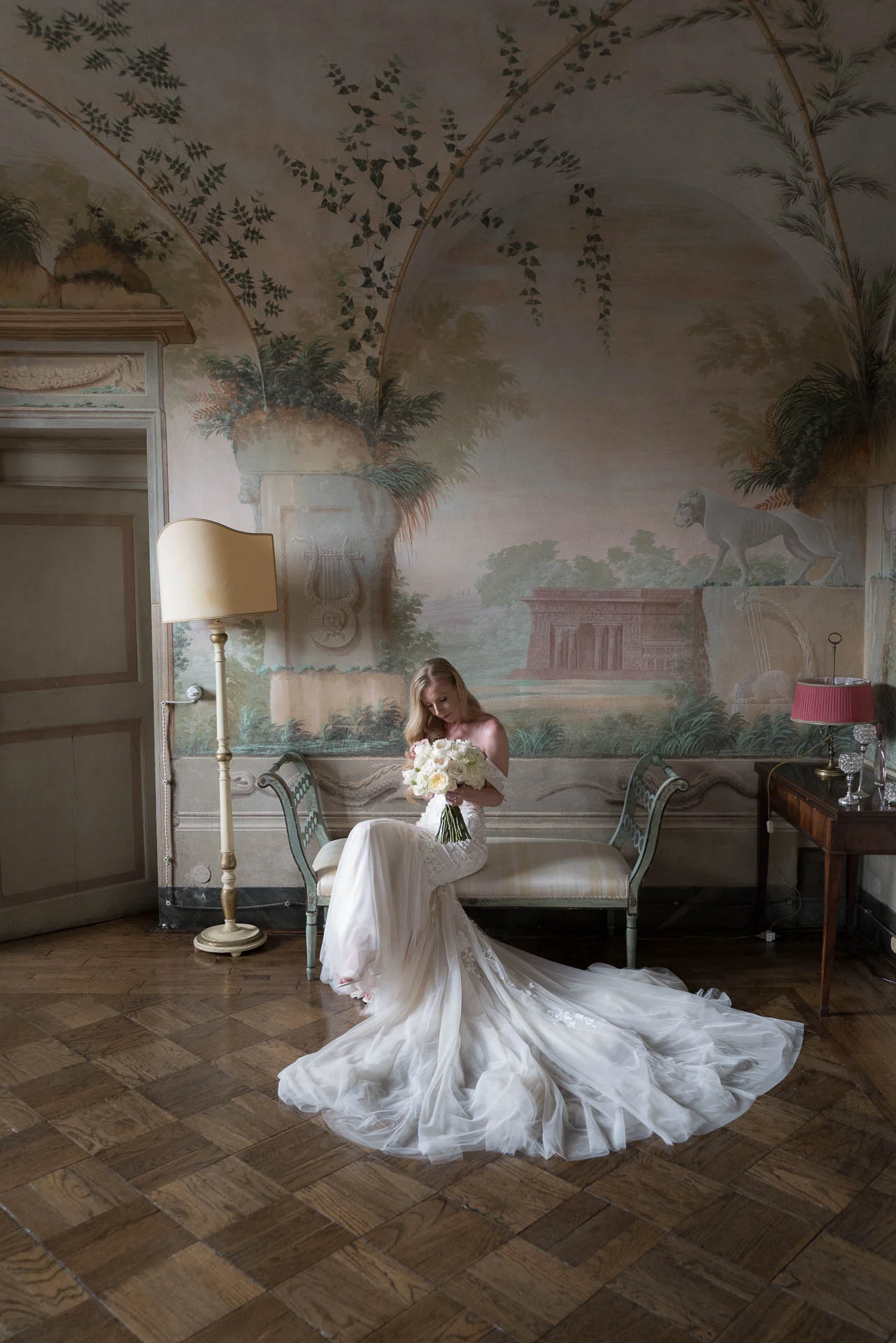
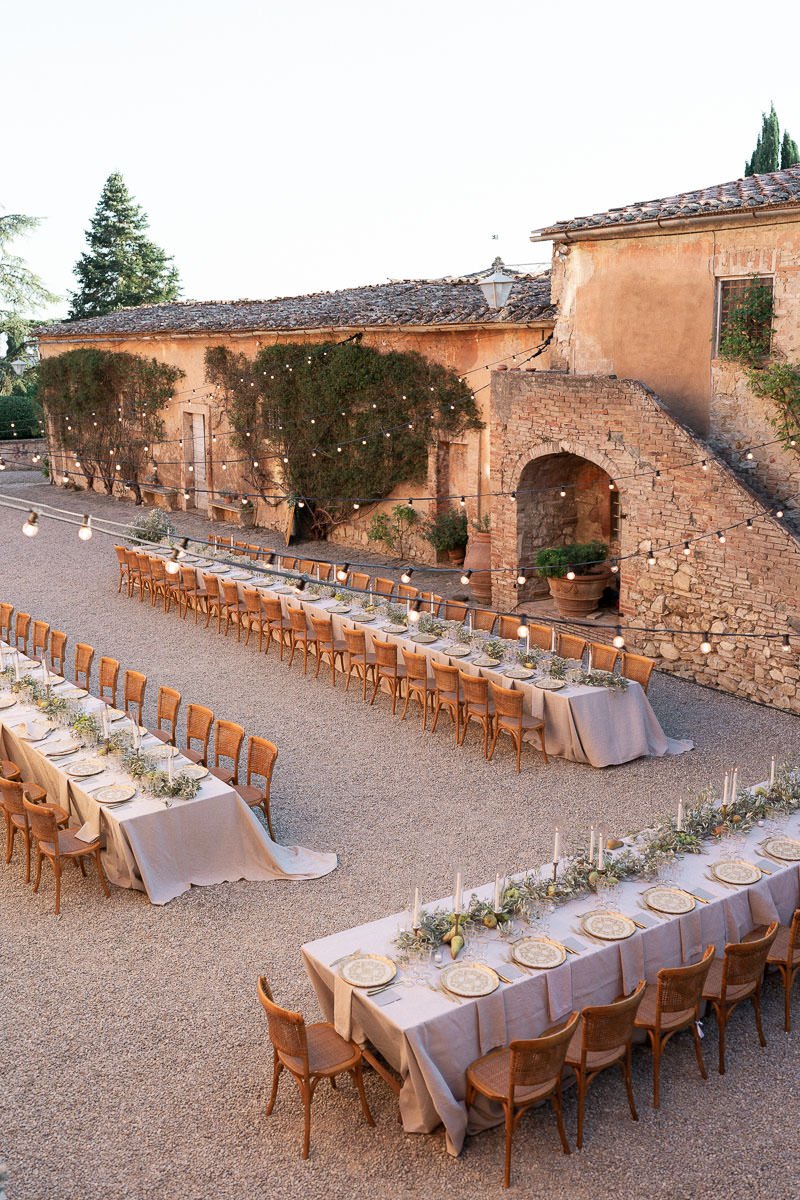
Villas, estates, and historic properties are central to the Tuscan wedding experience. These venues are often expansive, with multiple spaces used throughout the day: gardens for ceremonies, courtyards for aperitivo, terraces for dinner. This variety allows the day to evolve visually without feeling fragmented.
From a photography perspective, Tuscan venues encourage movement rather than confinement. Couples are rarely tied to a single room or backdrop. Instead, the day flows across spaces, which creates a natural narrative and avoids repetition in the imagery.
However, these venues also require awareness. Distances between rooms, elevation changes, and travel time within large estates can influence the timeline. When couples plan with these elements in mind, the day feels unhurried and photography becomes an extension of the experience rather than an interruption.
You can see how this unfolds in practice in this destination wedding at a Tuscan villa.
Planning the Wedding Day Timeline in Tuscany
One of the most common misconceptions about getting married in Tuscany is that the landscape alone will carry the day. In reality, the way the day is structured plays a crucial role in how it feels and how it is photographed.
Tuscan weddings tend to work best with later ceremonies. This allows guests to arrive comfortably, avoids the strongest midday light, and creates space for a relaxed aperitivo and dinner that extends into the evening. When timelines are too compressed, couples often feel they are moving through the day rather than living it.
From a photographer’s perspective, a well-paced Tuscan wedding allows moments to emerge naturally. Conversations linger, emotions build slowly, and images reflect connection rather than choreography.
Planning a timeline that respects light and pace is especially important when getting married in Tuscany.
What Wedding Photography Looks Like in Tuscany
Photography in Tuscany is rarely about dramatic gestures. It is about atmosphere, relationships, and the space between moments. The region lends itself to images that feel effortless, even when the celebration itself is refined and detailed.
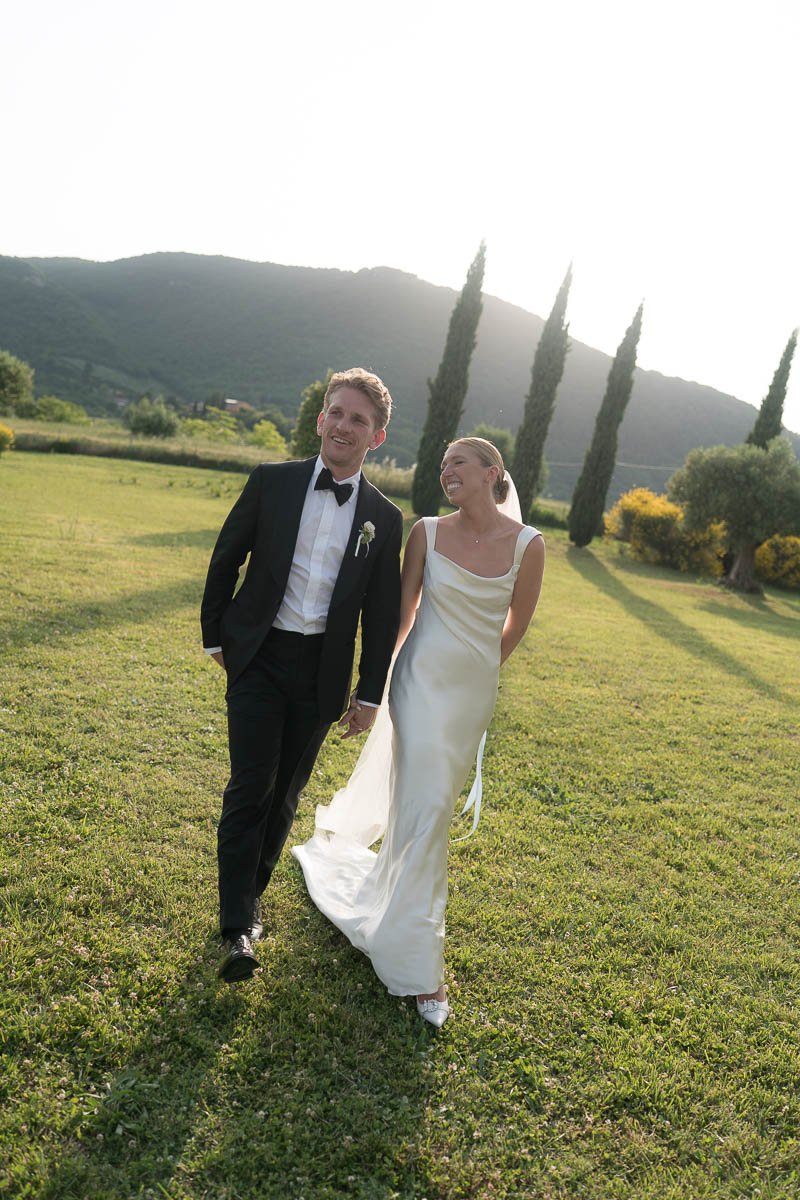
Couples often worry about posing or feeling awkward in front of the camera. Tuscany has a way of dissolving that tension. Walking through vineyards, standing in open courtyards, or sitting together during aperitivo creates natural interactions that photograph beautifully without direction.
This is why Tuscany works so well for couples who value authenticity. The environment does much of the work, allowing photography to focus on connection rather than performance.
Real Weddings in Tuscany: Seeing the Experience Come Together
Real weddings are often the best way to understand what getting married in Tuscany actually feels like. They show how light changes across the day, how spaces are used, and how moments unfold without scripting.
This intimate celebration in the Tuscan countryside shows how a relaxed timeline shapes the day.
Is Tuscany Right for Your Wedding?
Getting married in Tuscany is not about creating a perfect image. It’s about choosing a place that allows you to be present. Couples who thrive here are often those who value experience over precision, atmosphere over spectacle, and connection over performance.
From a photography perspective, Tuscany offers a rare balance. It is visually rich but never distracting. Structured but not rigid. Elegant without being formal. When couples allow the place to guide the day, photography becomes less about documentation and more about storytelling.
A Photographer’s Perspective
After photographing many weddings in Tuscany, one thing becomes clear: the most meaningful images come from days that are allowed to breathe. Tuscany doesn’t ask you to rush. It invites you to stay a little longer, to notice the light, to listen to the people around you.
When planning a wedding here, the goal isn’t to fit everything in. It’s to let the day unfold in a way that feels honest. Photography then becomes a reflection of that honesty.
Closing Thoughts
Getting married in Tuscany is as much about how the day feels as how it looks. When planned with intention and respect for the place, the experience becomes layered, emotional, and deeply personal. Tuscany offers a setting where photography can move quietly alongside the celebration, capturing moments as they happen rather than directing them.
If you’re considering a destination wedding in Tuscany and want photography that reflects the atmosphere, the light, and the genuine connections of the day, this region offers a truly timeless backdrop.
